Do Bay & Bow Windows Add Value to Your Home?
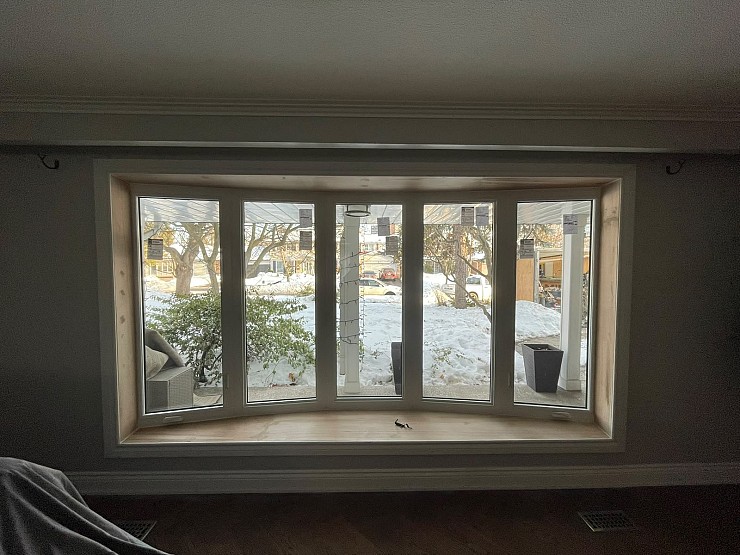
If you are considering a larger window upgrade, you may be wondering: do bay windows add value that justifies choosing them over a conventional flat window? The answer depends on what the new window contributes to the room, how well it suits the house, and what is required to create the finished opening. Value can come from resale appeal, but it can also come from better daylight, additional usable space, and a stronger architectural feature.
At Delco Windows and Doors, we think it is more useful to look at the entire project than assume one window style automatically makes a home worth more. Bay and bow windows can become focal points inside and outside a house, but their larger footprint and more involved installation also affect the investment. Understanding that tradeoff helps you decide whether the upgrade makes sense for your particular home.
What Makes Bay and Bow Windows Different?
Bay and bow windows extend outward from the exterior wall instead of remaining within a flat opening. That projection changes how the window interacts with the room. Rather than simply providing a view through one wall plane, this configuration can bring in light from different directions and create additional interior space.
A bay window typically has a more angular appearance, while a bow window uses multiple window sections to create a softer curve. That basic bay vs bow window distinction affects appearance, interior space, and how the feature fits the architecture. Neither design is automatically more valuable, so the better choice depends on what you want the window to contribute.
Do Bay Windows Add Value Through Additional Interior Space?
One of the most noticeable benefits of bay windows is the way the projection changes the usable area around the opening. Depending on the design, the interior can become a deep sill, display area, reading space, or seating feature. Even when you don't use the added area for seating, the projection can make the surrounding room feel less confined.
That benefit carries more weight when the new space has an obvious purpose. A bay window overlooking a garden might create a comfortable reading area, while one near a dining space could provide a useful architectural feature without consuming the room itself. The perceived value comes from integrating the window into how the space is actually used.
Before treating the projection as automatically beneficial, consider:
- Whether the interior area will have a practical purpose
- How furniture will interact with the projected opening
- Whether the window improves the view from the room
- How much natural light the location already receives
- Whether the design feels proportionate to the wall and room
A projection that creates an awkward furniture layout may provide less practical value than expected. The strongest projects usually make the new window feel like a deliberate part of the room rather than an addition chosen solely for appearance.
How Bay and Bow Windows Change Natural Light
Light Can Enter From More Than One Direction
A conventional flat window primarily faces one direction. Because bay and bow configurations project outward, their angled or curved sections can expose the room to daylight from additional directions. This can change how light moves through the space as outside conditions change.
The difference can be especially noticeable in rooms where the existing opening feels visually limited. Instead of simply making the opening look larger, the projecting design changes how some of the glass is oriented.
More Glass Is Not Automatically Better
Additional daylight can be appealing, but the location still matters. Exterior shading, nearby structures, trees, and the window's direction influence what the additional glass actually accomplishes. Installing a larger feature where surrounding conditions block much of the available light may produce less dramatic results.
That is why bay window home value shouldn't be judged by window size alone. The better question is whether the configuration improves the specific room where it will be installed.
Views Can Influence Perceived Value Too
A projecting window can also broaden the viewing angle from inside. In a room facing a landscaped yard, attractive streetscape, or another desirable exterior feature, that wider perspective may become part of the appeal.
The opposite is also true. If the projection primarily expands the view toward a wall, driveway, or other less desirable feature, the additional glass may have less lifestyle value.
Bay Window Cost vs Value Depends on the Existing Opening
When people ask whether bay windows are worth it, the existing window configuration matters considerably. Replacing an existing bay with another compatible bay is different from converting a flat window opening into a projecting structure. The second project may require more than removing one window and inserting another.
Potential project considerations include:
- The condition and configuration of the existing opening
- Structural support for the projecting window
- Interior finishing around the new configuration
- Exterior finishing and weather protection
- Roofing or other protection above the projection when required
- The number and type of individual window sections selected
These factors are why bay window cost vs value cannot be reduced to a universal calculation. A design that provides meaningful light, space, and architectural improvement may justify greater project complexity for one house, while another property may gain little from making the same change.
Curb Appeal Can Add a Different Kind of Value
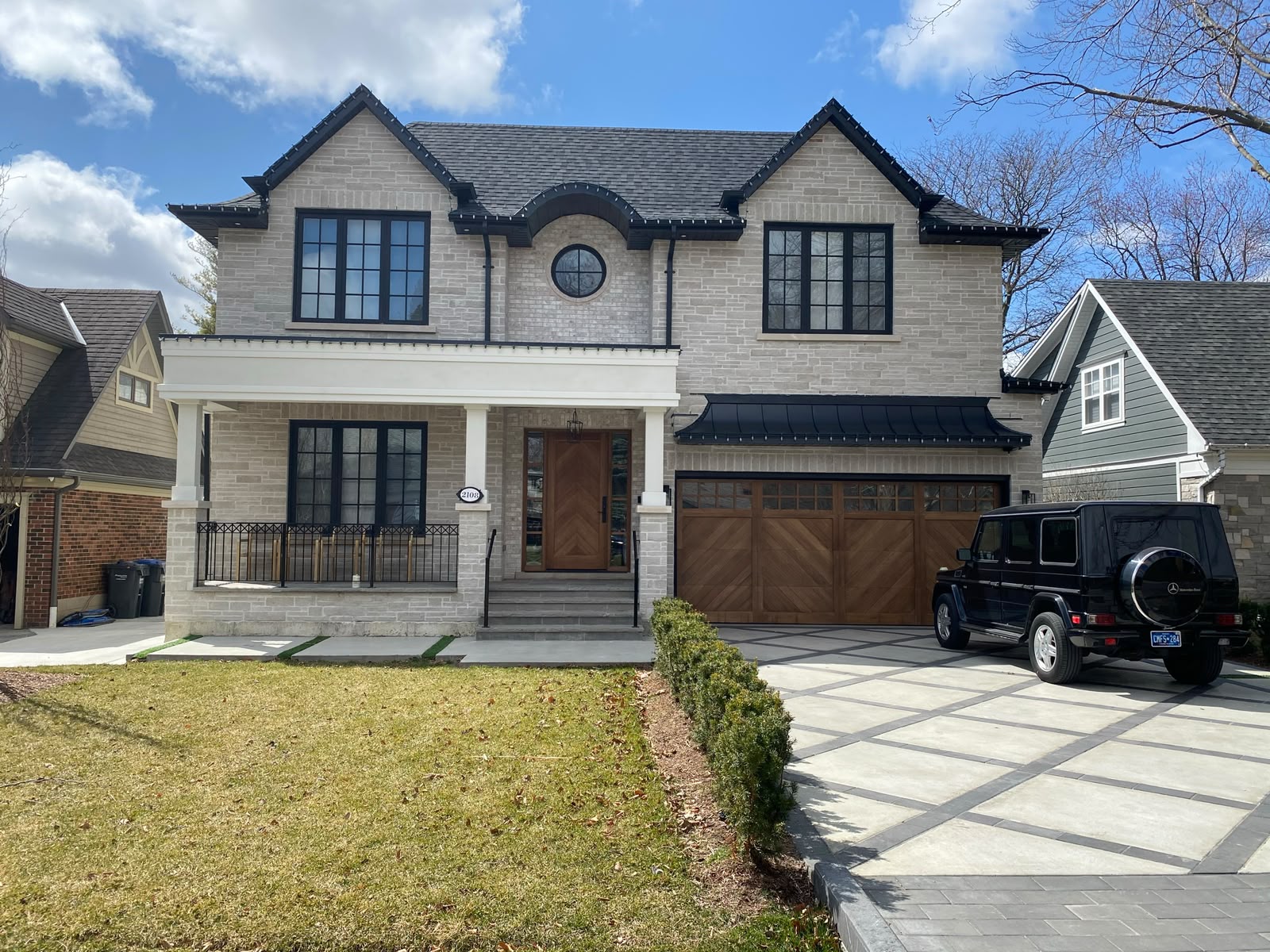
Bay and bow windows are visible architectural elements rather than features that disappear into a wall. From outside, their projection adds depth and can break up a broad or otherwise flat facade. On a house whose architecture supports the style, the result can make the exterior more visually distinctive.
However, architectural fit matters more than simply choosing the most noticeable window. A projection that feels oversized or inconsistent with the home's existing lines can work against the appearance you were trying to improve. The window should look integrated with the building, not like an afterthought.
This distinction is important when discussing resale. Buyers may appreciate a well-integrated bay or bow window, but personal preferences differ. Curb appeal can strengthen a property's presentation without guaranteeing that every future buyer will assign the same financial value to the feature.
When Do Bay Windows Add Value for Resale?
So, do bay windows add value when it comes time to sell? They may contribute to buyer appeal when the feature improves several aspects of the home at once, but there is no reliable way to promise that the project cost will return as a matching increase in sale price.
The strongest resale case usually exists when the window:
- Complements the home's architectural style
- Makes an important living space feel brighter or more inviting
- Creates interior space that has an obvious use
- Frames an attractive exterior view
- Improves the appearance of a prominent facade
- Remains functional rather than existing solely as decoration
These qualities can make a room more memorable during a showing. However, view them as contributors to overall appeal rather than a guaranteed standalone return on investment.
When a Bay or Bow Window May Not Be Worth It
Not every opening benefits from becoming a bay or bow window. If your primary goal is simply to replace a worn window, maintaining a similar configuration may accomplish that goal without adding the complexity of a projection. Changing styles makes more sense when you specifically want the spatial or architectural characteristics that come with it.
The upgrade may also offer less value when exterior clearance is limited, the view is poor, or the room cannot make practical use of the interior projection. Likewise, a design that clashes with the rest of the house may provide novelty without creating lasting architectural appeal.
This is where a neutral evaluation matters. Asking whether bay windows are worth it should lead to a discussion about your room and property, not a universal yes.
Choosing Between a Bay and Bow Window for Your Home
Once you decide a projecting window makes sense, consider what effect you want. Bay windows generally create stronger angles and can provide a pronounced interior projection. Bow windows typically create a more gradual curve and a broader, softer visual feature.
Think about the decision in terms of:
- The architectural lines already present on the house
- How you plan to use the interior projection
- The view you want to capture
- The amount and direction of available daylight
- How prominent you want the window to appear from outside
The best design works with the building and the room. Choosing based on appearance alone can overlook many of the practical reasons these windows add value in the first place.
Explore Whether a Bay or Bow Window Fits Your Plans
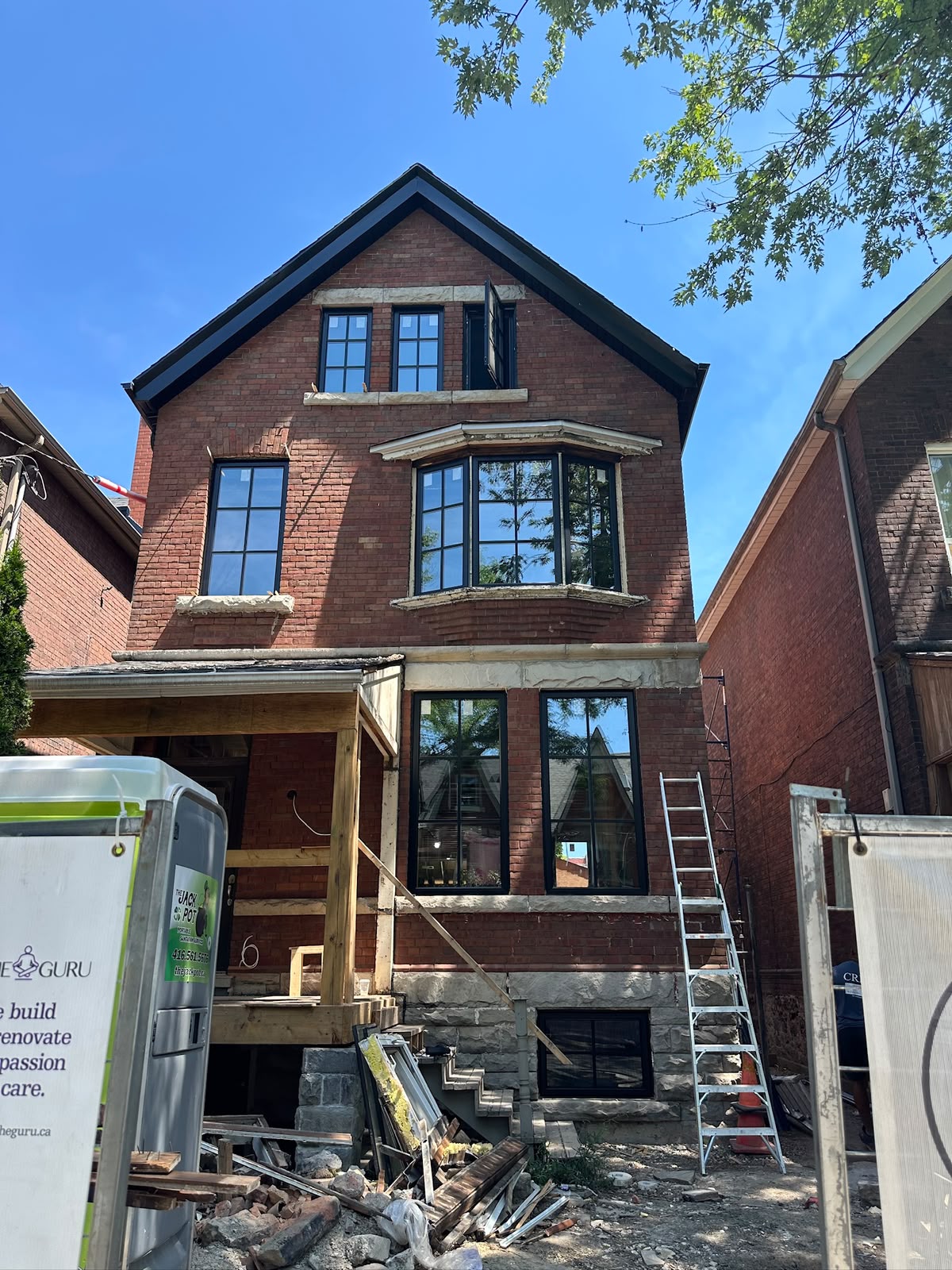 A bay or bow window can be more than a decorative upgrade. In the right location, the projection can increase daylight, create usable interior space, broaden views, and add architectural depth to the exterior. The key is determining whether those benefits matter for your project.
Delco Windows and Doors can help you compare bay and bow window configurations with the existing opening and your goals for the room. If you are considering changing your current window style, contact us to discuss our window installation services.
Frequently Asked Questions
Can you add blinds or shades to bay and bow windows?
Yes, although the treatment needs to account for the individual window sections and how any operable units move. Some homeowners use separate coverings for each section, while others choose a treatment designed around the entire opening. Planning the coverings alongside the window design can help avoid interference with handles and operators.
Can a bay or bow window include sections that open?
Yes. Depending on the configuration you choose, you can incorporate operable window sections alongside fixed glass. The type and placement of those sections should reflect how you want to ventilate the room and how easily you can reach and operate the hardware.
Can an existing bay window be replaced with a flat window?
It may be possible, but doing so changes more than the window itself because the existing projection may include interior and exterior finishes built around that configuration. The surrounding opening needs to be evaluated to determine what modifications are needed to return it to a flat design.
Planning When Your Window Project Should Happen
Continue with Best Time of Year to Replace Windows in Toronto: Cost & Scheduling for a closer look at how timing affects the planning process and why waiting for one supposedly perfect installation season isn't always necessary.