What Is a Casement Window? (Complete Guide)
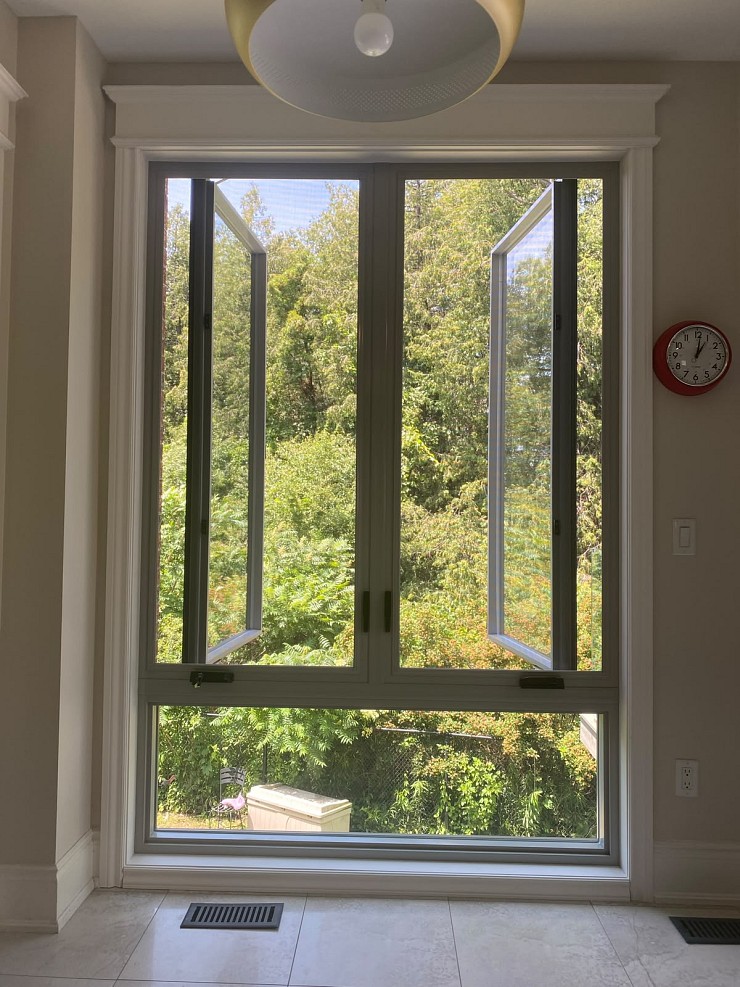
A casement window is an operable window with a sash hinged along one side so it swings outward rather than sliding vertically or horizontally. Most modern residential versions use a crank or similar operator to move the sash, while locking hardware pulls the closed sash against weatherstripping around the frame. That combination gives casement windows a distinctive operating style compared with hung and sliding windows.
At Delco Windows and Doors, casement windows are one of several configurations homeowners can consider when planning replacement windows in the Toronto area. Understanding how the sash, hinges, operator, locks, and glass work together can help you determine where this style fits your home. It also makes comparisons with awning, slider, hung, and fixed windows much easier.
What Is a Casement Window and How Does It Open?
If you are researching what a casement window is, the side-hinged sash is the defining feature. One vertical edge of the sash connects to hardware that allows it to swing outward, while the opposite side moves away from the frame as the window opens. This differs from a slider, where the sash travels horizontally within the frame, or a hung window, where a sash moves vertically.
Because the entire sash moves outward, much of the opening can be exposed when the window is open. The projecting sash also interacts with outdoor air differently from a sash that remains within its tracks. Depending on wind direction and window orientation, the open sash can help direct moving air toward the opening.
You can use casement windows individually or incorporate them into larger window arrangements. For example, a fixed center window can be paired with operable casements, combining a broad glass area with sections that provide ventilation.
How Do Casement Windows Work?
The Casement Window Crank Moves the Sash
A casement window crank connects to an operator mechanism that controls sash movement. Turning the handle transfers that movement through the operator hardware, allowing you to push the sash outward or draw it back toward the frame without manually pushing on the glass or sash.
The handle itself is therefore only one part of the operating system. Depending on the window design, the mechanism can include gears, arms, tracks, and connection points that work together as the sash travels. Some contemporary handles are designed to fold or sit close to the frame when not in use.
Hinges Guide the Window as It Opens
Casement hinges do more than simply attach the sash to the frame. They guide its movement and help maintain its position as it opens and closes. The hardware must support the sash while letting it travel along its intended path.
The hinge arrangement also distinguishes casement operation from that of an awning window. A casement is hinged along the side, whereas an awning window is hinged at the top and projects outward from the bottom.
Locks Pull the Closed Sash Into Position
Closing the sash with the operator does not necessarily perform the same function as locking the window. The locking system secures the sash and helps draw it against the weatherstripping in the intended closed position. Depending on the design, one control may engage locking points in more than one location.
This perimeter compression is a key characteristic of the style. Rather than relying solely on overlapping sliding components, the sash closes against seals around the frame.
Important Casement Window Parts to Know
Understanding basic casement window parts makes it easier to compare products and describe what you are operating. Although designs vary by manufacturer, many modern casement assemblies share the same general components.
Common components include:
- Frame: The stationary structure installed within the wall opening.
- Sash: The movable portion containing the glazing.
- Insulated glass unit: The sealed glass assembly installed within the sash.
- Operator: The mechanism that moves the sash outward and inward.
- Crank or handle: The part you turn to control the operator.
- Hinges: Hardware that supports and guides the sash.
- Locking hardware: Secures the sash in its closed position.
- Weatherstripping: Flexible sealing material positioned where the closed sash meets the frame.
- Screen: A separate barrier that allows ventilation while helping keep insects outside.
These components do different jobs, even though several affect how the window feels during operation. For example, difficulty turning a crank isn't necessarily a locking problem, and damaged weatherstripping is different from a hinge issue.
Common Casement Window Types and Configurations
A single operable casement is only one possible arrangement. You can combine different casement window types with fixed glass or other compatible units to suit the opening, view, architectural design, and ventilation needs.
Common configurations can include:
- A single casement window
- Casements positioned beside a fixed center window
- Multiple casements combined across a wider opening
- Casement units incorporated into bay or other combination windows
- Casements with decorative grille patterns
- Casements using different glazing packages for specific performance goals
The opening direction also matters. Casements can be configured to open from different sides, so plan for the window's position on the wall and the space outside. The direction may also affect how the open sash interacts with prevailing airflow.
How Casement Windows Provide Ventilation
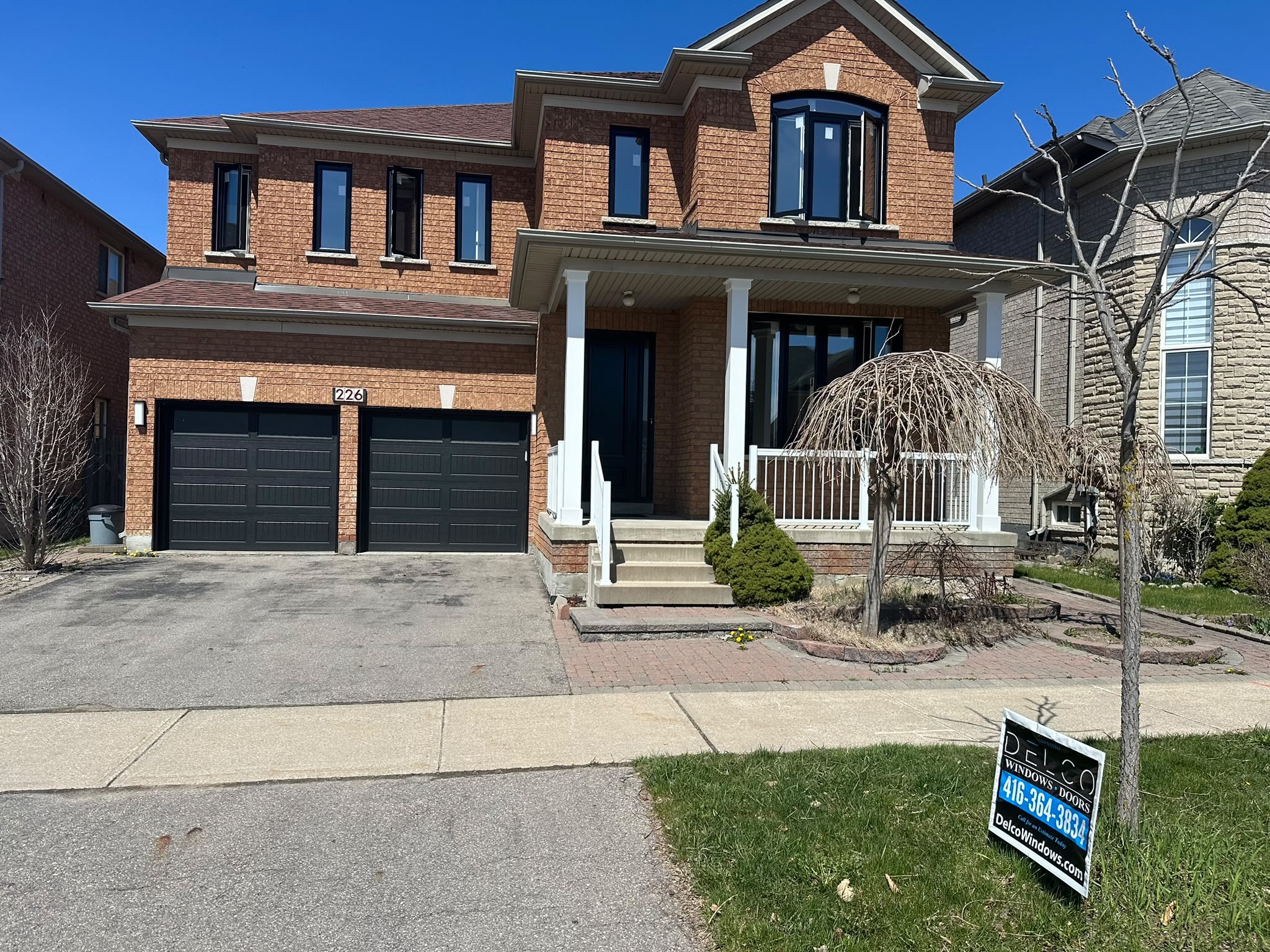
A major operational difference between casements and sliding styles is that the sash projects into the outdoor air when opened. Under suitable conditions, that projecting sash can catch moving air and help direct it through the opening. This characteristic can be useful when window placement and prevailing breezes work together.
An open casement can also expose a large portion of the window opening rather than leaving one sash positioned behind another. The amount of ventilation you actually experience still depends on outdoor conditions, surrounding buildings, landscaping, and airflow through the rest of the home.
The ability to open widely does not mean every location should use the maximum opening. Screens, hardware, safety considerations, exterior obstacles, and the room's intended use all influence how a casement should be configured and operated.
Casement Windows vs Other Window Styles
Casement Windows vs Hung Windows
Hung windows operate vertically rather than swinging outward. In a single-hung configuration, one sash is typically operable, while a double-hung window allows both sashes to move. Because the sashes remain within the window plane, they do not project into the exterior space during normal operation.
A casement window, by contrast, uses a side-hinged sash that moves outside the frame. The two styles therefore differ not only visually but also in hardware, ventilation patterns, screen placement, and the space required for operation.
Casement Windows vs Slider Windows
Slider windows move horizontally along their tracks. They can be useful where an outward-projecting sash would be inconvenient, since the moving portion stays within the window opening while it operates.
Casements require clear exterior space for the sash to swing. That difference becomes important near walkways, decks, landscaping, and other areas where a projecting window could interfere with how the surrounding space is used.
Casement Windows vs Fixed Windows
Fixed windows do not open and therefore do not require operators, hinges, or locks for sash movement. Their purpose is primarily to provide glass area, daylight, and a view where that unit doesn't require ventilation.
Combining fixed and casement windows can provide both functions within a larger arrangement. The fixed portion can remain visually simple while strategically placed casements provide ventilation.
Where Does a Casement Window Work Well?
Casement windows in Concord work well in many living areas, bedrooms, kitchens, and other spaces where outward operation is practical. Because the operator lets you control the sash from the frame, this style can also be convenient in locations where reaching far enough to lift or slide a sash would be awkward.
Before choosing one, consider:
- Whether there is unobstructed exterior space for the sash
- How easily you can reach the crank and lock
- Whether the opening direction suits the surrounding area
- Where you want ventilation to enter the room
- Whether a fixed and operable combination would work better
- How the style fits other windows on the exterior
Exterior conditions deserve particular attention. A window opening toward a busy walkway or another obstruction is different from one opening toward an unobstructed yard.
Screens Sit on the Interior Side of Casement Windows
Because a casement sash swings outward, its insect screen can typically remain on the interior side of the window. You can operate the sash without pushing the screen outward. This differs from some other window configurations where screen placement relates differently to the moving sash.
Interior screen placement also means you should consider access to the crank, lock, and screen when selecting window coverings. Blinds or shades should work with the hardware rather than obstruct the controls needed to open and secure the window.
Explore Casement Windows for Your Home
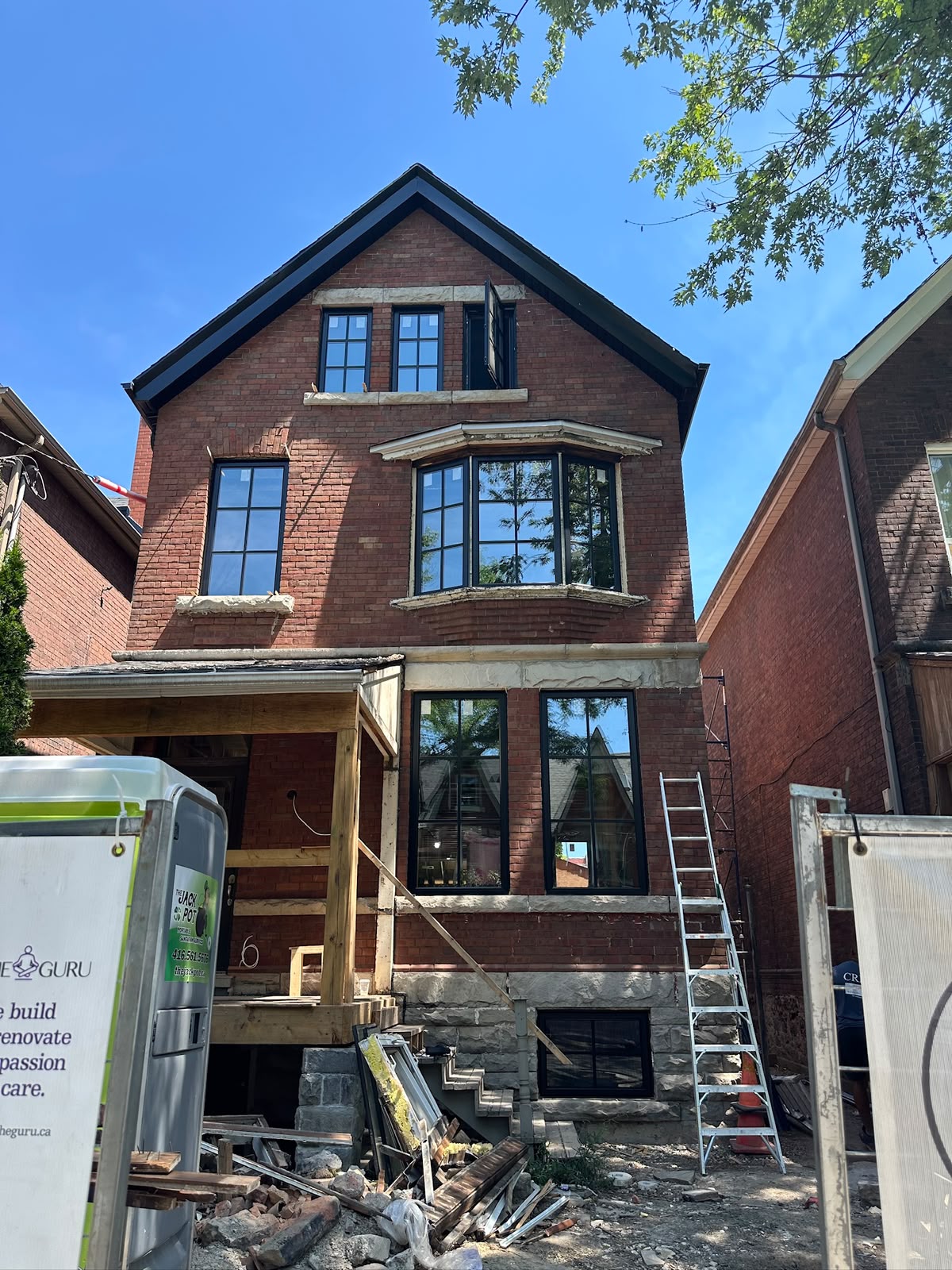
A casement window combines a side-hinged sash with an operator, hinges, locks, weatherstripping, and glazing to create a window that swings outward. Understanding those components makes it easier to compare casements with other window styles and decide where their particular operating method makes sense.
Delco Windows and Doors can help you compare casement windows with other window configurations for your Toronto area home. If you are looking for a window installation service, contact us to discuss your openings, ventilation preferences, exterior clearance, and design goals before selecting a style.
Frequently Asked Questions
Can you use curtains or blinds with casement windows?
Yes. Since the sash opens outward, you can use many interior window coverings with casements, but they should not interfere with the crank, lock, or interior screen. Consider how you will access the operating hardware when choosing and positioning blinds, shades, or curtains.
Can casement windows have decorative grilles?
Yes. Casement windows can be available with grille patterns that change the appearance of the glass without changing the basic side-hinged operation. Depending on the product, grilles may be incorporated between the panes or provided in another configuration.
Do all casement windows use a crank?
No. Although crank-operated mechanisms are common in modern residential casements, hardware designs can vary. When comparing windows, look at how the operator works and how easily you can access it, rather than assuming every casement uses the same mechanism.
Before Choosing Casements, Understand Their Tradeoffs
Continue with Casement Window Pros, Cons & Common Problems for a closer look at where casements perform well, what drawbacks to consider, and which problems can develop as components wear or become damaged.