How Much Energy Loss Comes From Old Patio Doors
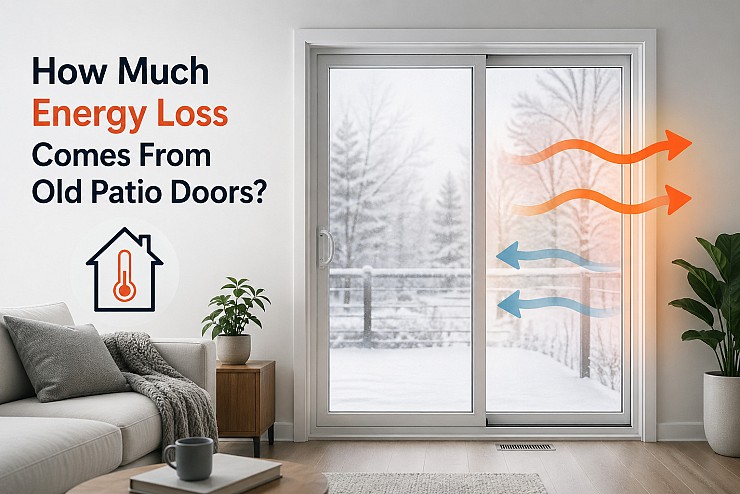
Old patio doors often seem like a small part of a home, but they can be one of the major sources of heat loss, especially in colder climates like Toronto. Many homeowners notice higher heating bills, cold drafts near living areas, or uneven room temperatures without realizing the patio door is playing a big role.
Understanding how much energy loss comes from old patio doors helps you make better decisions about repair, maintenance, or door replacement in Toronto homes.
Why Old Patio Doors Lose So Much Energy
Patio doors are large glass surfaces, and older systems were not built with modern insulation technology. Over time, several issues start to increase heat loss.
- Worn seals and weatherstripping: Rubber seals around the frame break down with age. Once that happens, outside air can enter easily and indoor heat escapes.
- Single pane or early double pane glass: Many older sliding patio door systems use single pane glass or outdated double pane units without gas filling or coatings. These allow heat to pass through more easily.
- Frame heat transfer: Older aluminum frames conduct heat very quickly. This means indoor warmth moves outside through the frame itself.
- Poor alignment: As doors age, tracks wear down. This creates small gaps where air leakage happens constantly.
How Much Heat Loss Happens From Old Patio Doors
The exact amount varies depending on condition, but studies and building performance data suggest:
- A single old patio door can account for a noticeable portion of heat loss in a main living space
- Drafty or damaged units can perform significantly worse than modern insulated doors
- In winter conditions, warm indoor air continuously escapes while cold air enters, increasing heating demand
In practical terms, homeowners often feel it as:
- Cold spots near the door
- Higher thermostat usage
- Rooms that never feel fully warm
Even if the rest of the home is well insulated, an aging patio door can reduce overall thermal performance.
Key takeaway: An old, inefficient patio door can create a thermal weak point that forces your heating system to work harder, leading to higher energy costs and reduced comfort throughout the winter season.
Why Toronto Homes Are More Affected
Homes in Toronto face long cold seasons and strong temperature swings. This makes weak points like patio doors more noticeable.
Key climate factors:
- Extended winter heating periods
- Frequent freeze and thaw cycles affecting seals
- Wind pressure that increases air leakage
- High reliance on indoor heating systems
This is why many homeowners consider sliding patio door Toronto upgrades as part of overall home improvement planning.
Signs Your Patio Door Is Losing Energy
You may not see the heat loss directly, but there are clear indicators:
- Draft near the door: If you feel cold air near the frame, sealing issues are likely.
- Condensation or fogging: Moisture between glass layers indicates seal failure.
- Rising energy bills: If heating costs increase without other changes, doors can be a factor.
- Hard operation: Sticking or misaligned doors often indicate frame or track wear.
- Uneven room temperature: One side of the room may feel colder than others.
Impact on Heating Costs
Old patio doors can increase heating demand because warm air escapes continuously. The heating system has to work longer to maintain indoor temperature.
While the exact cost impact varies by home size and condition, common effects include:
- Higher winter heating usage
- Increased energy consumption over time
- Reduced comfort even when heating systems are working properly
In many cases, homeowners realize that a door replacement in Toronto becomes more cost effective than repeated heating loss over the years.
Repair vs Replacement: What Makes Sense
Not every patio door issue requires full replacement. However, older systems often reach a point where repairs no longer solve the root problem.
Repair may work if:
- Minor seal damage is present
- Door alignment can be corrected
- Glass is still in good condition
Replacement is better when:
- Frame is warped or damaged
- Glass is outdated or fogged internally
- Air leakage is persistent
- Energy bills continue to rise
At this stage, many homeowners consult door manufacturers in Toronto or a door supplier to compare modern options.
How Modern Patio Doors Reduce Energy Loss
New patio doors are designed to significantly reduce heat transfer and air leakage.
- Double or triple pane glass - Multiple glass layers trap air or gas between panes, reducing heat movement.
- Low emissivity coating - A special coating reflects heat back into the home during winter.
- Argon or krypton gas filling - These gases improve insulation between glass panes.
- Improved frame materials - Vinyl and fiberglass frames reduce heat transfer compared to older aluminum systems.
- Better sealing systems - Modern seals are designed to maintain tight closure even after long-term use.
These improvements make a noticeable difference in comfort and heating demand.
Choosing the Right Patio Doors in Toronto
When planning door replacement Toronto projects, homeowners often compare multiple options based on performance, durability, and design.
Things to consider:
- Glass type and insulation rating
- Frame material suitability for cold weather
- Track quality for sliding systems
- Installation quality from experienced teams
Working with a reliable door supplier or established patio doors Toronto service helps ensure proper installation and long term performance.
Advanced Insight: Air Leakage vs Glass Heat Transfer
Many people assume glass is the only issue, but energy loss happens in two main ways:
Air leakage
This is uncontrolled air movement through gaps. Even small leaks can significantly affect comfort.
Thermal transfer through materials
Heat naturally moves through glass and frame materials. Older designs allow faster transfer.
In older patio doors, both problems often exist at the same time, which increases total heat loss.
What Toronto Homeowners Should Take Away
Old patio doors can quietly increase energy loss in a home without obvious warning signs. In a city like Toronto, where heating demand is high for much of the year, even small weaknesses in doors can have a noticeable impact on comfort and monthly costs.
Understanding how much energy loss comes from old patio doors helps homeowners make informed decisions about maintenance or upgrading to modern systems. In many cases, investing in a quality sliding patio door Toronto solution or full door replacement Toronto upgrade results in better indoor comfort and more stable heating usage over time.
Ready to Stop Losing Energy Through Your Patio Door?
If your home feels drafty or your heating bills keep climbing, your old patio door may be the culprit. Modern, energy-efficient patio doors can transform your comfort and lower your energy costs. Delco offers premium windows and doors designed for Toronto's demanding climate.
Frequently Asked Questions
How much energy can I save by replacing an old patio door?
While savings vary by home, many homeowners notice reduced drafts and more stable room temperatures immediately after replacement. Over time, reduced heating demand leads to noticeable savings on winter energy bills.
Can I repair an old patio door instead of replacing it?
Yes, minor issues like worn weatherstripping or alignment problems can often be repaired. However, if the door has single-pane glass, a damaged frame, or persistent air leakage, replacement is usually more cost-effective in the long run.
What type of patio door is most energy efficient for Toronto winters?
Double or triple-pane doors with low-E coating, argon gas fill, and insulated frames (vinyl or fiberglass door) offer the best thermal performance for cold climates.
How do I know if my patio door is causing high energy bills?
Signs include feeling cold drafts near the door, noticeable condensation between glass panes, uneven room temperatures, and a steady increase in heating costs without other changes to your home.