How Much Does Window Replacement Cost in Toronto (2026-2027)

Window replacement in Toronto is no longer just a maintenance task. It has become an important upgrade that affects energy use, indoor comfort, and long-term property value. With rising heating costs and stricter energy expectations across Ontario, more homeowners are paying close attention to the type of windows they install.
For 2026–2027, the cost of replacing windows in Toronto varies widely depending on window style, material, glass technology, and installation method. While basic replacements may seem affordable at first, the overall investment can increase when you factor in labour, insulation upgrades, and structural adjustments.
Why Window Replacement Costs Are Increasing in Toronto
There are a few key reasons why window replacement pricing is higher now compared to previous years:
- Energy standards are stricter, meaning better insulation and multi-pane glass are more common
- Labour costs have increased, especially for skilled installation work in older homes
- Material costs fluctuate, particularly for vinyl, glass, and hardware components
- Customisation demand is higher, as more homeowners prefer modern designs like slim frame windows
Because of these factors, it is important to understand not just the base price, but the full cost structure before making a decision.
Average Window Replacement Cost in Toronto
In most cases, homeowners in Toronto can expect the following general pricing ranges:
- Lower range: Around $600 – $900 per window for basic vinyl options
- Mid range: Around $900 – $1,500 per window for energy-efficient upgrades
- Higher range: $1,500 – $2,500+ per window for larger or custom designs
For a full home replacement (approximately 10 to 15 windows), total costs typically range between $10,000 to $20,000+, depending on the size of the home and project requirements.
Window Replacement Cost by Type in Toronto
This table gives a clearer comparison based on real Toronto pricing trends and helps you understand where your budget might fit.
| Window Type | Installed Cost Range | Typical Lifespan | Energy Performance | Complexity Level |
|---|---|---|---|---|
| Casement Windows | $800 – $1,600 | 20–25 years | High | Medium |
| Sliding Windows | $700 – $1,400 | 15–20 years | Moderate | Low |
| Double Hung | $600 – $1,200 | 20 years | Moderate–High | Medium |
| Awning Windows | $800 – $2,000 | 20–25 years | High | Medium |
| Picture Windows | $300 – $900 | 25+ years | Very High | Low |
| Bay Windows | $2,000 – $4,500+ | 20+ years | Moderate | High |
| Bow Windows | $2,500 – $6,000+ | 20+ years | Moderate | High |
| Basement Windows | $400 – $1,200 | 15–20 years | Moderate | Low |
| Slim Frame Windows | $900 – $2,000+ | 20+ years | High | High |
| Tilt and Turn Windows | $900 – $2,200 | 20+ years | High | High |
| Geometric Shaped Windows | $1,200 – $4,000+ | 20+ years | Moderate–High | High |
Window Types Explained with Cost & Real Use Cases
Casement Windows Toronto
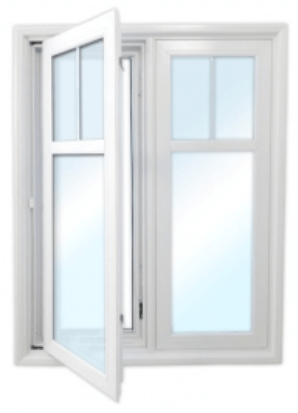
Casement windows are one of the most preferred options when homeowners want strong insulation and better airflow. In Toronto's cold climate, their tight sealing helps reduce heat loss and improves indoor comfort during winter.
How it works: These windows open outward with a crank, allowing the full opening to capture airflow. Since there is no center frame blocking air, ventilation is much stronger compared to other styles. The multi-point locking system also improves security and reduces air leakage.
When Cost Increases: Larger sizes, triple-pane glass, premium hardware
Best Use Case: Bedrooms and living rooms where insulation and airflow are equally important
Awning Windows
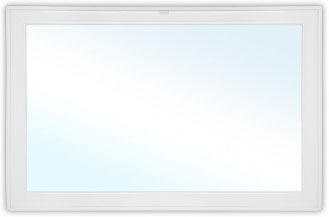
Awning windows are designed for practical everyday use, especially in areas where ventilation is needed even during light rain.
How it works: They open outward from the bottom, creating a shield-like structure that blocks rain while allowing fresh air inside. This makes them useful in kitchens and bathrooms where airflow is needed regularly.
When Cost Increases: Custom sizes, reinforced hinges, upgraded glass
Best Use Case: Bathrooms, kitchens, and smaller wall spaces
Single Hung Windows
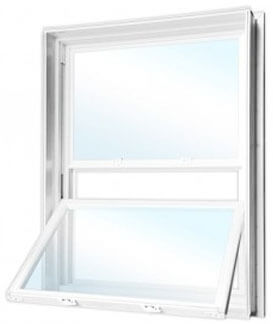
Single hung windows are a simpler and more budget-friendly option for homeowners who want a clean look without complex mechanisms.
How it works: Only the bottom sash opens while the top remains fixed. This reduces mechanical wear and makes the window slightly more durable over time. However, airflow is limited compared to double hung designs.
When Cost Increases: Frame upgrades, larger sizes, glass improvements
Best Use Case: Bedrooms or areas where cost is a priority
Double Hung Windows
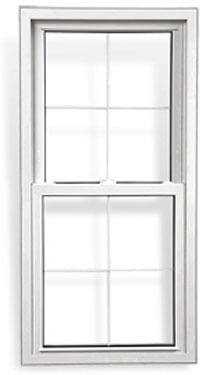
Double hung windows are widely used due to their flexibility and traditional appearance.
How it works: Both top and bottom sashes can move, allowing better airflow control. This is helpful in maintaining indoor comfort. Many designs also tilt inward for easier cleaning.
When Cost Increases: Premium materials, noise reduction glass, larger sizes
Best Use Case: Family homes and traditional-style properties
Single Slider Windows
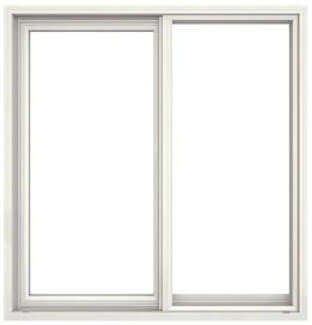
Single slider windows are a simple and functional option commonly used in modern homes.
How it works: One panel slides horizontally while the other remains fixed. This makes operation simple and reduces maintenance. However, airflow is limited since only one side opens.
When Cost Increases: Larger widths, upgraded tracks, double glazing
Best Use Case: Basements or areas with limited exterior space
Double Slider Windows
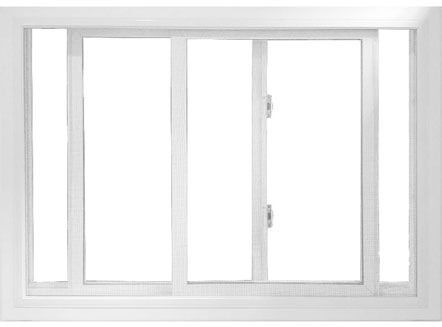
Double slider windows improve airflow compared to single sliders by allowing both sides to open.
How it works: Both panels slide, allowing airflow from either side. This makes them more functional than single sliders while maintaining a simple design.
When Cost Increases: Larger sizes, reinforced frames, upgraded tracks
Best Use Case: Wide openings where better airflow is needed
Picture Windows
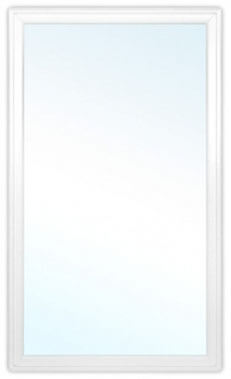
Picture windows are fixed units designed to provide maximum natural light and outdoor views.
How it works: Since they do not open, they offer strong insulation and long-term durability. They are often combined with other window types for design balance.
When Cost Increases: Large glass panels, custom shapes, high-performance glass
Best Use Case: Living rooms and open spaces
Bay & Bow Windows
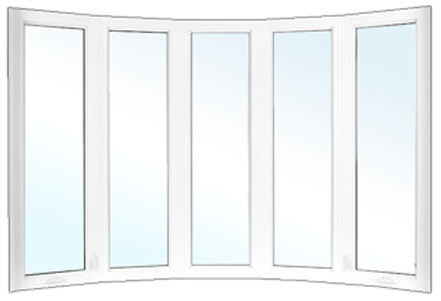
These windows are designed to enhance both the interior space and the exterior look of the home.
How it works: Bay windows use three panels, while bow windows use multiple panels to create a curved structure. They bring in more natural light and create additional interior space, but require structural changes during installation.
When Cost Increases: Structural work, custom sizing, multiple panels
Best Use Case: Living rooms or front-facing feature areas
Basement Windows Toronto

Basement windows are essential for ventilation, moisture control, and safety.
How it works: They help reduce dampness and improve air circulation in lower-level spaces. In finished basements, egress windows are often required for safety compliance.
When Cost Increases: Egress upgrades, foundation cutting, drainage systems
Best Use Case: Finished basements and rental units
Tilt and Turn Windows
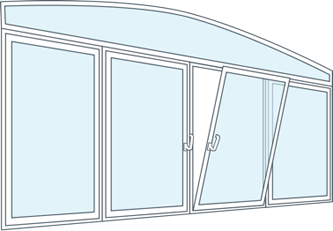
Tilt and turn windows offer modern functionality with flexible opening options.
How it works: They can tilt inward for ventilation or swing open fully for maximum airflow. This dual functionality makes them highly practical. Their sealing system also improves insulation.
When Cost Increases: Imported hardware, custom sizing, triple glazing
Best Use Case: Modern homes where flexibility and performance matter
Geometric Shaped Windows
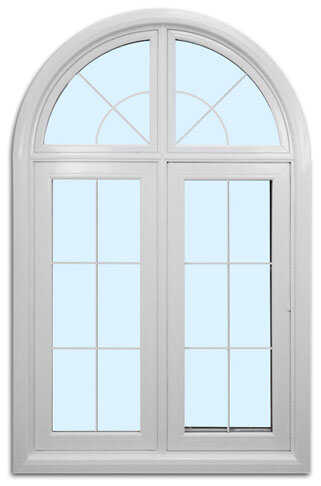
Geometric shaped windows are custom-designed to add a unique visual element to your home.
How it works: These windows come in shapes like arches, circles, or triangles. They are usually fixed and are used to improve the architectural design of a home. Because they are custom-built, they require precise installation.
When Cost Increases: Complex shapes, custom glass, specialty frames
Best Use Case: Feature areas where design matters more than ventilation
Window Frame Materials Comparison (Toronto Market)
| Feature | Vinyl (PVC) | Aluminum | Wood | Fiberglass |
|---|---|---|---|---|
| Cost Range | $700 – $3,200 | $800 – $4,000 | $1,200 – $5,000 | $1,500 – $6,000 |
| Energy Efficiency | Good insulation | Moderate (better with thermal break) | Very good natural insulation | Excellent performance |
| Maintenance | Very low | Low | High (needs care) | Low |
| Durability | Long-lasting, moisture-resistant | Strong but may corrode | Durable with maintenance | Very strong and stable |
| Design Style | Modern finishes | Slim, modern frames | Classic natural look | Clean, paint-friendly |
| Best For | Budget + performance | Modern designs | Traditional homes | Long-term durability |
Glass Options & Their Impact on Cost
Many homeowners focus on the frame, but the glass itself plays a major role in pricing and performance.
- Double Pane Glass (Standard): Most common option in Toronto. Good insulation for everyday use. Lower cost compared to upgrades.
- Triple Pane Glass (Upgrade): Better heat retention during winter. Reduces outside noise significantly. Adds $150 – $400 per window.
- Low-E Coating & Argon Gas: Reflects heat back into the home. Improves energy savings over time. Often included in mid to high-range windows.
Labour & Installation Cost Breakdown
Labour is not a fixed cost. It changes depending on your home type and installation difficulty.
Typical Labour Cost: $200 – $400 per window
What Affects Labour Cost: Upper floor installations (harder access), Brick homes vs siding homes, Removal of old or damaged frames, Weather conditions during installation.
Hidden Costs You Should Plan For
Many homeowners are surprised when the final quote is higher than expected. This usually happens because of hidden or overlooked costs.
Common Additional Costs: Frame or wall damage repair, Interior trim and finishing, Permit costs (if resizing windows), Upgrading to egress basement windows, Disposal of old windows.
Estimated Extra Cost: $100 – $500+ per window depending on condition. Planning for these costs early helps avoid budget issues during the project.
How to Choose the Right Window for Your Home
With so many options available, choosing the right window can feel confusing. The best choice depends on your home's layout, budget, and priorities.
- If Energy Saving Is Your Priority: Go with casement windows or vinyl windows replacement Toronto options, as they seal tightly and reduce heat loss.
- If You Want a Modern Look: Slim frame windows Toronto are ideal because they increase glass area and improve overall appearance.
- If Budget Is Limited: Sliding or standard vinyl windows provide a good balance between cost and performance.
- If You Are Renovating a Basement: Focus on basement windows Toronto with proper ventilation and safety features like egress.
When Is the Best Time to Replace Windows in Toronto?
Timing can affect both cost and installation experience.
Best Seasons: Spring and Summer (easier installation, but higher demand). Fall (good balance between pricing and availability).
Off-Season Advantage: Winter installations may come with better pricing, contractors are more available, and faster project completion.
Signs You Need Window Replacement
If you are unsure whether to replace your windows now or later, look for these common signs:
- Drafts or cold air near windows
- Condensation between glass panes
- Difficulty opening or closing
- Rising energy bills without clear reason
- Visible damage or frame warping
Ignoring these issues can lead to higher costs over time.
Cost Saving Tips for Homeowners
Replacing windows is a big investment, but there are ways to manage the cost more effectively.
- Replace multiple windows at once to reduce labour cost per unit
- Choose standard sizes instead of custom designs
- Compare multiple quotes before finalising
- Focus on high-impact areas first (living room, bedrooms)
Small decisions like these can make a noticeable difference in total spending.
Final Buying Insight
For homeowners in Toronto, window replacement is not just about choosing the lowest price. It is about selecting the right combination of window type, glass, and installation method that fits your home, lifestyle, and long-term needs.
A well-planned project can improve indoor comfort, reduce energy costs, and support better property value over time. Paying attention to details like material quality, insulation, and proper installation can make a noticeable difference in performance.
Working with experienced providers like Delco Windows & Doors can also help ensure that the right solutions are selected based on your home’s condition and design requirements.
Taking the time to compare options carefully helps avoid unnecessary costs and supports better results for years to come.
Ready to Replace Your Windows?
Get a transparent quote with no hidden fees. Our team helps Toronto homeowners choose the best windows for their budget and climate needs.
Request a Free Consultation