How to Insulate Old Windows Without Replacing Them (and When Replacement Wins)
If you are trying to figure out how to insulate old windows, replacement does not have to be your first move. Older windows can develop small air leaks around moving parts, deteriorated caulk around stationary joints, or simply feel uncomfortably cold during a Toronto winter. Depending on the cause, relatively simple insulation measures may make the room noticeably more comfortable.
At Delco Windows and Doors, we recommend starting by identifying what you're trying to correct. Weatherstripping, window film, and caulk each solve different problems, and none of them can reverse structural deterioration or restore a failed insulated glass unit. Understanding those limits helps you spend your time on fixes that have a realistic chance of working before considering replacement.
Find the Source Before You Insulate Old Windows
A cold area beside a window does not automatically mean outdoor air is rushing through it. The glass itself can become cold enough to make the surrounding area feel uncomfortable, particularly with older glazing. Air near that cold surface can cool and move downward, creating circulation that can feel surprisingly like a draft.
Start by checking where you actually feel air movement. Inspect the edges of an operable sash, the meeting point between moving components, and visible stationary joints around the window. Also look for loose weatherstripping, separated caulk, damaged hardware, or a sash that no longer closes evenly.
A quick inspection can help separate several common problems:
- Air entering where the sash meets the frame
- Cracked or missing caulk around stationary joints
- A sash that does not pull tightly against its seals
- Cold glass creating discomfort without obvious air leakage
- Water staining or deterioration that suggests a larger problem
- Fogging trapped between panes rather than on an accessible surface
That distinction matters because the fix should match the problem. Adding window film to a deteriorated frame will not repair the frame, while applying caulk indiscriminately around an operable sash could interfere with normal operation.
How to Insulate Windows for Winter With Weatherstripping
When air enters around a movable sash, weatherstripping is one of the first places worth checking. Weatherstripping creates contact between moving window components while still allowing the window to open and close. As it compresses, tears, loosens, or wears with age, small gaps can develop.
Replacing deteriorated weatherstripping on old windows can reduce those localized air leaks without changing the entire window. However, the material needs to suit the location and allow the sash and hardware to function normally. Simply adding thicker material isn't automatically better because excessive compression can make a window hard to latch or operate.
Before replacing weatherstripping, look for:
- Sections that have pulled away from their mounting surface
- Torn or visibly worn material
- Areas where the sash no longer contacts the seal
- Debris preventing the window from closing fully
- Hardware problems that leave the sash sitting unevenly
If the sash itself is warped or the frame has shifted, new weatherstripping may not create consistent contact. In that situation, the air leakage is a symptom of a larger alignment or condition problem rather than a missing strip of material.
Window Insulation Film Creates a Temporary Interior Barrier
Window insulation film is a popular winter stopgap because it creates an additional interior layer between the room and the existing window. When installed correctly, the film traps a pocket of relatively still air and can also reduce the sensation of air movement through minor leakage around the window.
Film is particularly useful when your goal is seasonal comfort rather than repairing the window assembly itself. You can remove it when warmer weather returns, making it suitable for renters or homeowners postponing a larger project. However, once installed across the opening, it may limit access to an operable window until you remove the film.
Its biggest limitation is simple: film does not repair anything. It cannot straighten a distorted sash, rebuild deteriorated framing, restore a failed glass seal, stop water entering through a defective exterior detail, or fix hardware that no longer holds the window closed. Think of it as an added winter barrier, not a window repair.
Where Caulk Helps and Where It Does Not
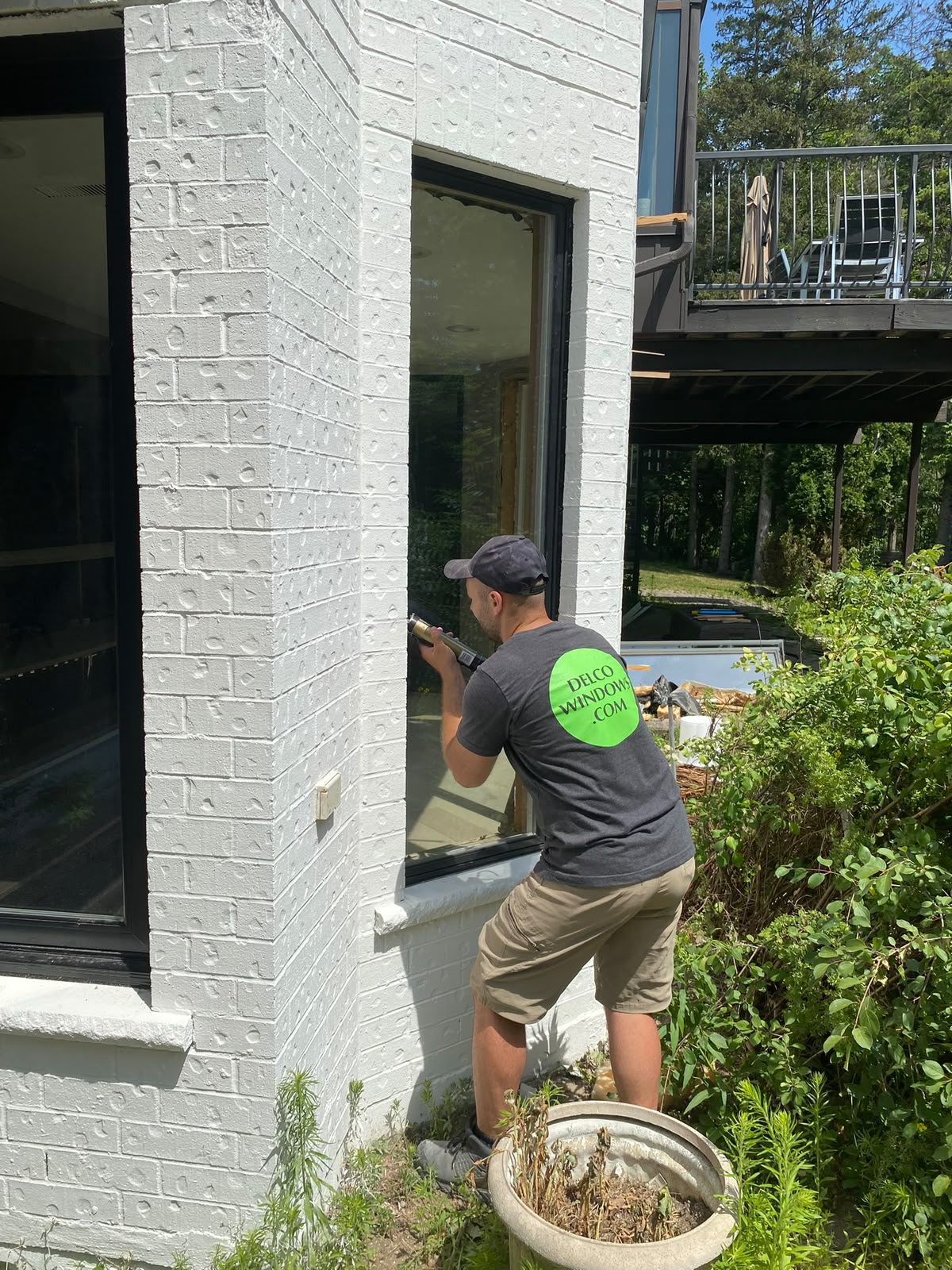
Caulk works best at stationary joints where two materials should remain sealed rather than move against one another. Older caulk can crack, separate, or lose adhesion, leaving small pathways for air or moisture. Removing deteriorated material where appropriate and resealing the intended joint can help restore that barrier.
However, caulk should not be a universal solution for stopping window drafts. Operable sashes, drainage paths, and moving hardware need to continue functioning. Sealing the wrong location can make the window difficult to open or interfere with features designed to manage water.
Before applying new material, determine whether you are looking at:
- A stationary joint intended to remain sealed
- An operable section that requires movement
- A drainage opening that should remain unobstructed
- Failed or separated existing sealant
- A gap caused by frame movement rather than missing caulk
The goal is not to fill every visible line around a window. The goal is to restore sealing where a seal belongs while leaving moving and drainage components alone.
Combine Winter Window Insulation Methods Carefully
Start With Air Leakage Around Moving Components
If the Toronto air enters around the sash, start with its operation and weatherstripping. Confirm that the window closes fully and that the lock or operator pulls the sash into its intended position. Replacing worn sealing material makes more sense after you know the window itself is sitting correctly.
A sash that refuses to align may require a different repair. Covering that problem with progressively thicker weatherstripping can add resistance without addressing why the sash no longer meets the frame evenly.
Address Stationary Gaps Separately
Next, inspect stationary joints for deteriorated caulk or obvious separation. These areas require a different approach because they aren't designed to move when you operate the window. Keeping the two issues separate prevents you from treating every gap with the same material.
Also pay attention to where the gap is located. An interior cosmetic crack and an exterior joint exposed to weather do not necessarily have the same cause or require the same material.
Add Film When You Want a Seasonal Barrier
After you address localized air leaks where practical, film can provide another temporary layer for winter. This approach makes the most sense when the underlying window remains usable, but you want extra seasonal comfort without replacing it immediately.
If you find yourself rebuilding the same temporary barrier every winter while the underlying window continues deteriorating, however, reconsider what you are accomplishing. At some point, the annual workaround may preserve the symptom rather than improve the window.
Curtains and Shades Can Improve Comfort Without Repairing the Window
Interior coverings can make the area near older glass feel more comfortable by reducing radiant heat exchange between you and the cold window. Certain shades and well-fitted curtains also create another layer of relatively still air near the opening. They can complement other winter measures without altering the window itself.
However, use coverings thoughtfully. Keeping the glass completely isolated from warm room air can sometimes make the pane colder, while indoor moisture may still reach the surface and condense. If you frequently see accessible condensation behind closed coverings, monitor indoor humidity and allow enough circulation for the area to dry.
Most importantly, treat curtains and shades as comfort measures, not repairs. They do not restore seals, correct frame deterioration, or stop water intrusion. Their usefulness depends on whether your goal is to improve how the room feels or correct an actual window defect.
What Window Insulation Methods Cannot Fix?
Temporary improvements work best when the window remains fundamentally serviceable. Once important parts of the assembly have deteriorated, adding more layers around the opening produces diminishing returns. This is where knowing how to insulate old windows matters less than understanding what the window actually needs.
Several problems sit outside the realistic scope of winter insulation:
- Condensation or fog permanently trapped between glass panes
- Significant deterioration of the sash or frame
- Recurring water entering through the window assembly
- Hardware mounting points that no longer hold securely
- A sash that cannot close or lock as intended
- Physical damage that prevents consistent sealing
- Multiple components requiring repeated repairs
A failed insulated glass seal, for example, exists inside the glazing assembly. Film placed over the room side may temporarily affect comfort, but it cannot recreate the sealed cavity. Likewise, weatherstripping cannot compensate indefinitely for a sash that no longer fits its frame.
When Repairing an Old Window Still Makes Sense
Window replacement should not win simply because a window looks dated. If the frame remains stable, the sash operates correctly, the glass is intact, and the problem is limited to replaceable weatherstripping or another serviceable component, a targeted repair may provide exactly what you need. Cosmetic age and functional failure are not the same thing.
Repair also makes sense when you can clearly identify a single problem and correct it without creating a chain of additional work. A worn seal, loose piece of hardware, or deteriorated stationary caulk does not automatically condemn the rest of the assembly. The important question is what condition the window will be in after you complete the repair.
Find the Right Fix for Your Older Windows

Before deciding on window replacement, identify what is making your older windows uncomfortable in the first place. A small air leak and a deteriorated window assembly require very different responses, and treating them as the same problem can lead to unnecessary work. Knowing what weatherstripping, film, caulk, and interior coverings can realistically accomplish gives you a better starting point.
Delco Windows and Doors can help you evaluate older windows and determine when seasonal insulation measures are still worthwhile and when window installation services are worth considering. If repeated fixes no longer resolve air leakage, operation, glass, or frame problems, contact us to discuss your window replacement options and what makes sense for your Toronto-area home.
Frequently Asked Questions
Can I paint an old window after adding new weatherstripping?
Yes, but keep paint away from flexible weatherstripping, hardware, drainage openings, and surfaces that need to move against one another. Excess paint can make an operable sash stick or interfere with hardware. Plan painting and weatherstripping work so each material remains on the surface it was designed to protect or seal.
Should I remove window insulation film when spring arrives?
Removable interior film is generally intended as a seasonal measure, so removing it when you no longer need the additional barrier restores normal access to the window. Follow the film manufacturer's removal instructions to reduce the risk of adhesive residue or damage to surrounding finishes.
Can older windows be insulated if they have decorative grilles?
Usually, but the right method depends on whether the grille sits on the accessible glass surface, between panes, or is part of an older window assembly. Identify how the grille is constructed before applying film or other materials that could interfere with it or make later removal difficult.
Looking Beyond Insulation to the Value of the Window Itself
Continue with Do Bay & Bow Windows Add Value to Your Home? to explore those benefits from a cost and resale perspective. It looks at where these larger window configurations may add meaningful value and where the additional investment may not provide enough benefit to justify the project.