Triple Pane vs Double Pane Windows: Are Triple Panes Worth It in Toronto?
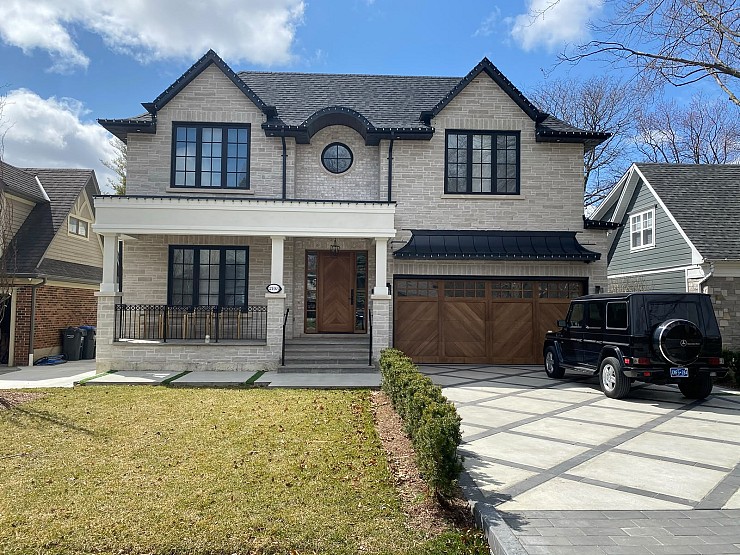
If you are comparing triple pane windows in Toronto with double pane options, the extra sheet of glass does not automatically make triple glazing the right choice for every opening. A third pane creates another insulating cavity and can improve thermal performance, interior glass temperatures, and condensation resistance, but it also adds cost and weight. The real question is whether those gains solve a problem that matters enough in your home to justify the difference.
At Delco Windows and Doors, we think this comparison becomes much easier once you move beyond counting panes. Glass coatings, gas fills, spacers, frame, window style, air leakage, orientation, and whole-window Energy Rating all influence the finished product. So, instead of asking which option wins universally, let's look at where triple glazing earns its keep and where a capable double pane window may already give you what you need.
What Actually Changes When You Add a Third Pane?
A double pane insulated glass unit contains two sheets of glass separated by a sealed cavity. Triple glazing adds a third sheet and creates two cavities, giving heat another layer to move through before reaching the other side. Those cavities may contain an insulating gas such as argon, while Low E coatings can further control radiant heat transfer.
That extra pane is only one part of the difference. Manufacturers can configure coatings and gas fills differently, and the same glass package can perform differently when installed in different frames. That is why comparing triple-pane and double-pane windows requires whole-window ratings, not assuming every triple unit beats every double unit by the same margin.
The additional glass also increases weight. Sashes, hinges, operators, frames, and other components need to accommodate that load while allowing the window to operate as intended. A well-designed triple-pane unit accounts for those demands from the start rather than treating the third pane as an isolated upgrade.
Triple Pane Windows Usually Have a Lower U Factor
U factor measures the rate at which heat transfers through the complete window assembly. Lower values indicate slower heat transfer under standardized testing conditions. In Toronto, where indoor and outdoor temperatures can differ substantially in winter, slowing that movement can improve both energy performance and comfort.
A triple-pane unit can generally reach a lower U factor than a comparable double-pane configuration because it includes an additional glass layer and insulating cavity. However, comparing the glass alone misses the contribution of the sash and frame. Natural Resources Canada evaluates ENERGY STAR certified windows using whole-product performance rather than center-of-glass measurements alone.
That distinction matters when you are comparing products at different price points. A strong double-pane design may perform better than a weak triple-pane design in certain measurements. Look at the published ratings for the actual window rather than buying based on the number of panes printed on a brochure.
The Comfort Difference Can Matter More Than the Energy Bill
Energy savings tend to dominate discussions about energy-efficient windows in Toronto, but your utility bill is only part of the experience. A window's interior surface temperature affects how comfortable you feel when sitting beside it. During a cold Toronto evening, an inefficient glass surface can become considerably colder than the room air.
Your body exchanges radiant heat with the surfaces around you. As a result, sitting beside very cold glass can make you feel chilly even if no outdoor air is leaking through the window and the thermostat shows a comfortable temperature. Better insulated glazing keeps the interior surface warmer, reducing that temperature imbalance.
This effect matters most in rooms where you spend time close to large windows. A dining table beside a wide window, a sofa against an exterior wall, or a desk positioned near glazing can make surface temperature more noticeable than it would be in a hallway. In those situations, the comfort benefit of triple glazing may carry more weight in your decision.
Winter Condensation Is Where Triple Glazing Gets Interesting
Condensation forms when a surface becomes cold enough for moisture in the surrounding air to change into liquid water. During a Toronto winter, the interior surface of an older or less insulating window can become one of the coldest surfaces in the room. If indoor humidity is high enough, water may appear along the glass or near its edges.
Because triple glazing can keep the room-facing pane warmer than a comparable double-pane unit, it can improve resistance to interior condensation. That does not make triple-glazed windows condensation-proof. Indoor humidity, outdoor temperature, window coverings, air circulation, spacer design, and the exact glass package still influence whether moisture appears.
This distinction matters because condensation is often treated as one universal window problem. Water on the room-facing glass, moisture trapped between panes, and rain entering around a window have different causes.
How Double and Triple Pane Windows Compare
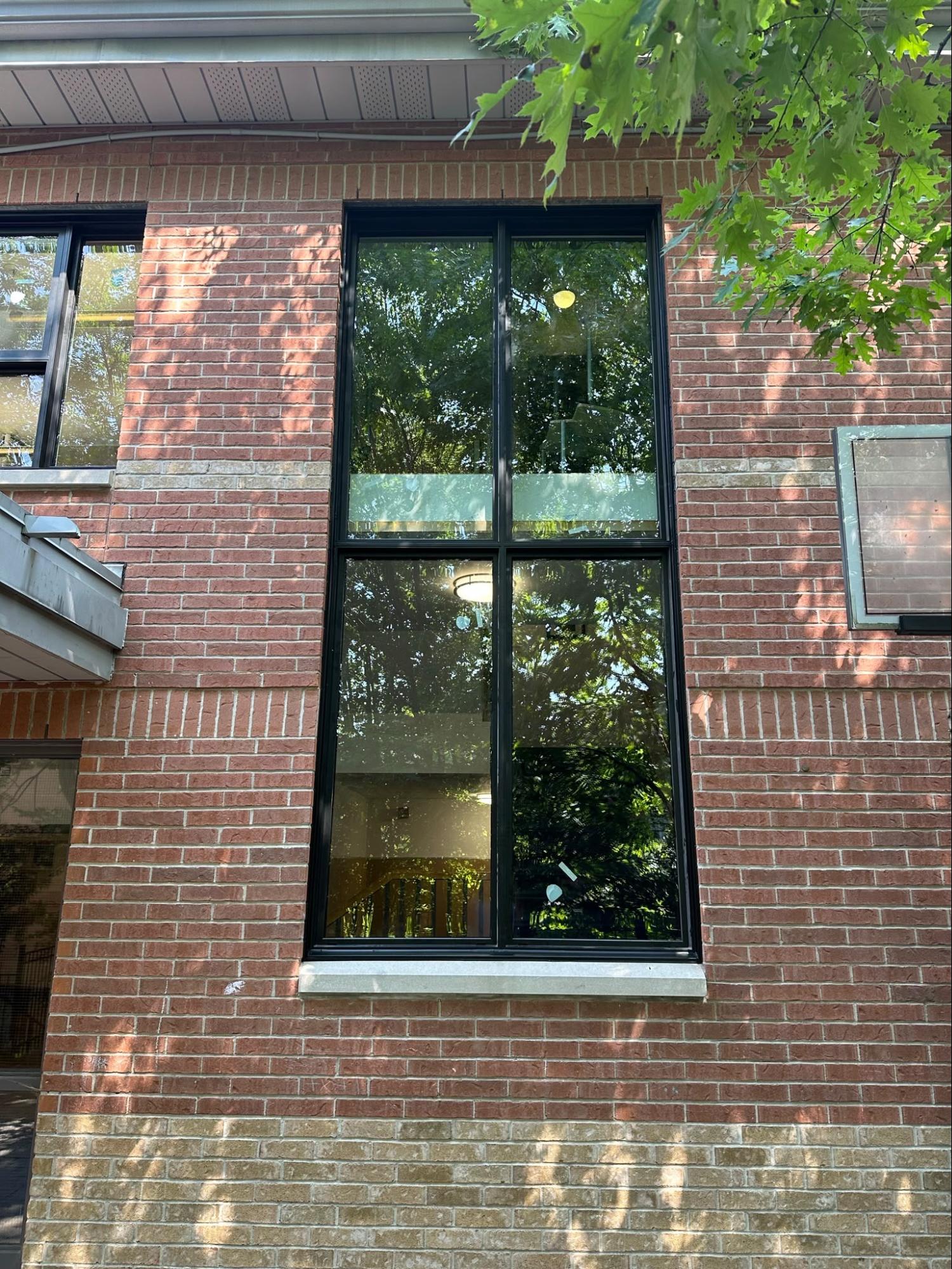
The easiest way to understand the tradeoffs is to compare what changes when you add another pane. These differences are general, not guarantees, because individual products vary. Still, they provide a useful starting point when you are deciding where to spend your budget.
Triple pane windows may offer:
- Lower heat transfer with a comparable frame and glass design
- Warmer interior glass surfaces during cold weather
- Greater resistance to interior winter condensation
- Another opportunity for Low E coating placement
- Improved acoustic performance in certain configurations
- Higher glass weight
- A higher purchase price in most comparable product lines
Double pane windows may offer:
- Lower upfront cost
- Less sash weight
- Strong thermal performance when paired with capable Low E coatings, gas fills, spacers, and frames
- Enough efficiency for many Toronto homes and renovation goals
- More budget flexibility when replacing a large number of windows
The important word is comparable. If you compare a basic double-pane window with a premium triple-pane product, you are comparing far more than the third pane. Specifications and ratings show which differences belong to the glass configuration.
Are Triple Pane Windows Worth It for Energy Savings Alone?
If you are asking "Are triple pane windows worth it," payback deserves a realistic discussion. The upgrade can reduce heat loss through the window. Still, your total heating bill includes energy used for walls, ceilings, doors, ventilation, air leakage, equipment efficiency, thermostat settings, and occupant behavior. Windows represent only one part of the home's overall energy use.
The size and condition of your existing windows also matter. Moving from old single-pane windows or deteriorated early double glazing to a modern, efficient window can create a substantial performance change, whether the replacement has two or three panes. The incremental difference between two current products may be much smaller than the difference between either new product and what you have now.
For that reason, calculating a simple payback based only on an advertised percentage can be misleading. Compare the actual ratings of the double- and triple-pane products, the upgrade cost, the amount of glazing in your home, and how long you expect to remain there. Triple glazing can still make sense when comfort and condensation resistance matter, even if energy savings alone don't produce a rapid financial payback.
Noise Reduction Depends on More Than Adding Glass
Triple glazing can reduce some outside noise, but pane count doesn't fully measure acoustic performance. Sound behaves differently depending on frequency, glass thickness, spacing between panes, frame construction, seals, and other characteristics. Three identical panes separated by narrow cavities do not automatically create the best acoustic window.
Different glass thicknesses can sometimes improve performance because the panes respond differently to sound frequencies. Laminated glass can also influence acoustic behavior because its interlayer changes how vibrations travel through the glazing. If traffic, aircraft, construction, or another specific noise source is your main concern, ask for acoustic performance information instead of assuming the highest pane count is automatically the quietest.
Air leakage matters too. Sound can travel through small openings around an otherwise capable glass unit, so sash seals and installation details still matter. A quieter window needs to control both transmission through the materials and paths around them.
Where Triple Pane Windows Make the Strongest Case
Not every room in your house has the same exposure. Some windows face strong winds, some receive little winter sun, and others sit beside the places where your family spends hours every day. That lets you think about triple glazing strategically, rather than treating the entire house as one uniform problem.
Triple glazing deserves particular consideration when:
- You have large areas of glass where winter surface temperatures noticeably affect comfort
- Bedrooms or sitting areas place occupants close to exterior windows
- Winter condensation occurs despite reasonable indoor humidity control
- You are pursuing stronger whole house energy performance
- The difference in Energy Rating between the products is meaningful
- You expect to stay in the home long enough to value long-term comfort improvements
- The upgrade price fits comfortably within the project budget
These are not automatic rules. A south-facing window receiving useful winter sun creates different conditions than a shaded north-facing opening. Evaluate the actual product and location before assuming the same glazing package belongs everywhere.
When Double Pane Windows Can Be Enough
Modern double pane windows in Toronto should not be confused with double-glazed windows installed decades ago. Current products can combine Low E coatings, gas-filled insulated units, warm edge spacers, insulated frame designs, and effective weather seals. A strong double-pane product can therefore perform very differently from an aging window that happens to contain the same number of glass layers.
Double glazing may make sense when the product already meets your energy goals and the incremental improvement from triple glazing is relatively small. It can also be attractive when you are replacing many windows and would rather allocate the available budget toward other meaningful upgrades. For example, correcting deteriorated openings or replacing additional failing windows may deliver more practical value than concentrating the entire budget on triple glazing in fewer openings.
No rule requires every window in a home to use an identical glass package. Consider product availability and appearance, but different elevations and rooms can have different performance needs. A thoughtful project can prioritize the areas where additional insulation produces a benefit you are likely to notice.
Low E Coatings and Gas Fills Can Change the Comparison
Pane count tells you how many sheets of glass are present, but it does not tell you what happens between them. Low emissivity coatings control radiant heat transfer, while gases such as argon reduce conductive and convective heat movement within the sealed cavities. Different combinations produce different results.
A triple-pane unit also gives manufacturers additional surfaces to apply coatings. However, adding more coatings changes other characteristics, including visible light transmission and solar heat gain. The goal is not to stack as many features as possible, but to select a glass package that balances the performance characteristics needed for the opening.
Solar heat gain deserves particular attention in rooms with substantial sun exposure. Reducing solar gain can help in warm weather, but solar energy entering through windows can also add heat in winter. Orientation, shading, glass area, and the selected coating all influence that tradeoff.
Compare Your Window Options With Real Performance Numbers
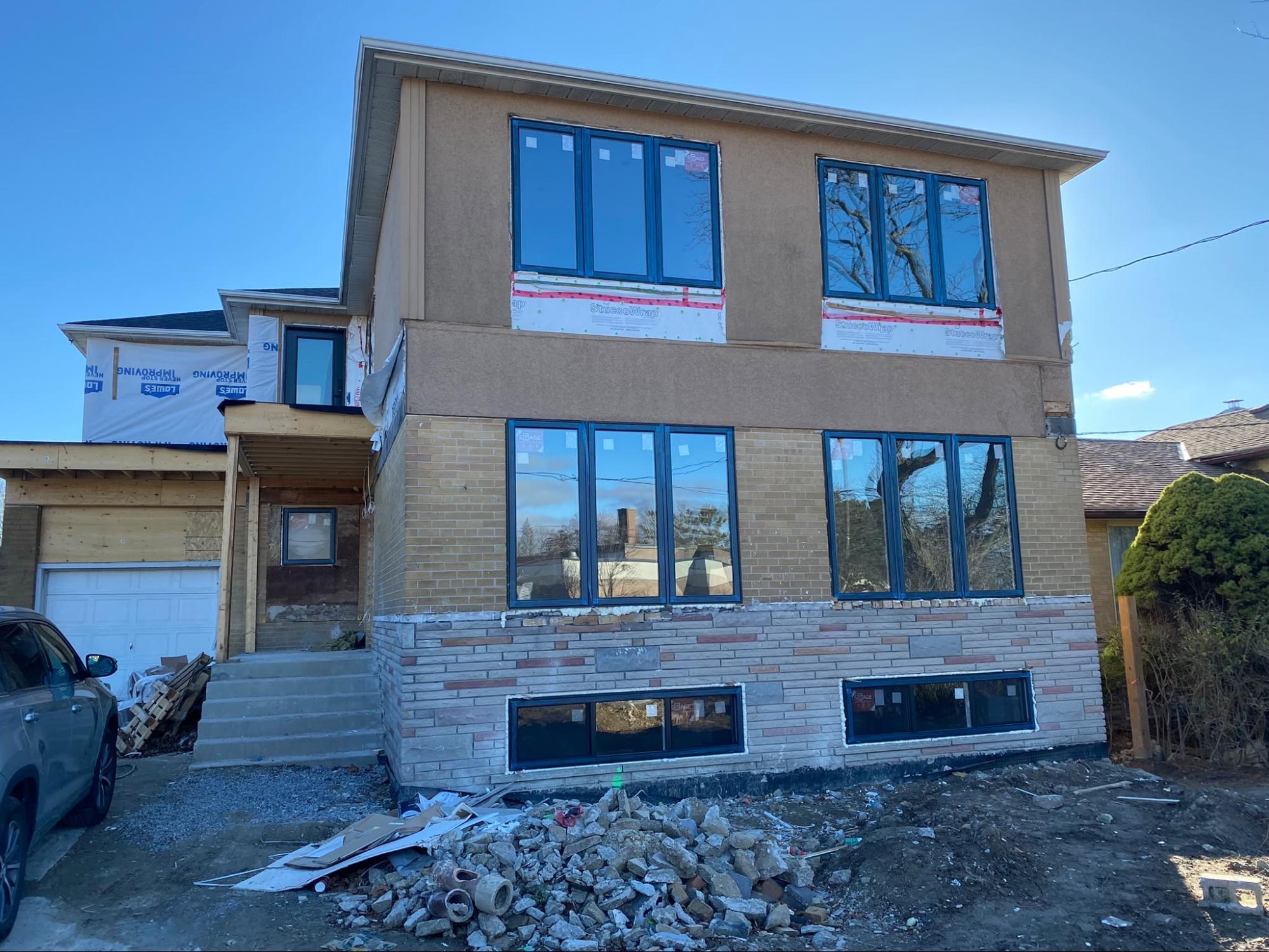
Choosing between two and three panes should not require guessing which product has the more impressive brochure. Once you compare whole-window ratings, glass packages, room exposure, condensation concerns, comfort goals, and total upgrade cost, the better fit becomes much easier to identify. In some homes, triple glazing earns the additional investment, while in others, a capable double-pane configuration provides the performance the homeowner actually needs.
Delco Windows and Doors can help you compare energy-efficient windows in Toronto using the ER, U-factor, glazing configuration, and other specifications for each option. We can also consider where the windows will be installed and which rooms would benefit most from better thermal performance, rather than assuming every opening needs the same package. Contact us to discuss our window installation services and compare double- and triple-pane options based on measurable performance and your priorities.
Frequently Asked Questions
Does triple pane glass reduce the amount of natural light entering a room?
Adding another pane and additional coatings can slightly change visible light transmission, although the difference depends on the specific glass package. If daylight is important in a room, compare the visible transmittance values of the products you are considering rather than assuming every triple pane configuration produces the same result.
Can triple pane windows be installed in an older Toronto home?
Yes, the age of the house alone does not prevent triple pane installation. The existing openings, frame dimensions, structural conditions, window style, and installation approach must still suit the selected product.
Do triple pane windows require different maintenance than double pane windows?
Routine maintenance is generally similar because you still clean accessible glass and frames, inspect weatherstripping, keep drainage passages clear, and operate hardware periodically.
When Clear Glass Suddenly Turns Cloudy
Next, read Foggy Windows & Condensation Between the Panes: Causes, Fixes & When to Replace to learn why windows fog internally, which fixes address the real issue, and when replacement is worth considering.