Muntin vs Mullion: What's the Difference? (Window Anatomy Explained)

The muntin vs mullion distinction sounds minor until you start comparing window designs, replacement options, or architectural styles. Both terms describe elements that divide a window, but they don't refer to the same thing. A mullion generally separates window units or larger sections, while muntins traditionally divide individual panes of glass within a sash.
At Delco Windows and Doors, we know window terminology can become confusing quickly because modern construction has changed the role of some traditional components. Grilles, for example, can recreate the appearance of old muntins without actually supporting separate panes of glass. Learning the basic vocabulary makes it easier to understand what you are looking at and communicate the appearance and operation you want.
What Are Window Muntins?
If you search what window mullion are, you will often see examples from traditional windows containing multiple individual pieces of glass. The muntins formed the narrow framework between those panes. Their purpose related to how the window was constructed, not simply to add decoration.
Modern manufacturing makes large panes and insulated glass assemblies practical, so many windows no longer need individual muntins. However, divided glass patterns remain popular because they complement certain architectural styles.
What Is a Window Mullion?
If you are wondering what a window mullion is, think about a larger division rather than the smaller pattern across the glass. A mullion is associated with the area where separate window units or major sections meet.
For example, a wide opening might contain multiple window units combined into one overall configuration. The divisions between those units serve a different role from the decorative pattern you might see across the glass itself.
Where Do Window Grilles Fit In?
Grilles reproduce the visual effect of divided panes without necessarily dividing the glass into individual pieces. Depending on the window design, grille elements may appear between panes of glass or be applied in another configuration that creates the desired architectural pattern.
That distinction matters when discussing muntin vs mullion vs grille because the three terms can look similar from across a room. Their construction and purpose, however, can differ greatly.
Parts of a Window You Should Know
Once the divided components make sense, the rest of window anatomy becomes easier to follow. Different window styles use some components differently, and fixed windows won't include every operating part found on an operable design. Still, several terms appear repeatedly when discussing replacement windows.
Important parts of a window include:
- Frame: The main assembly surrounding and supporting the window.
- Sash: The portion that holds the glass and may be fixed or operable depending on the design.
- Head: The upper horizontal portion of the frame.
- Jambs: The vertical sides of the frame.
- Sill: The lower horizontal portion of the window frame.
- Stiles: The vertical members of a sash.
- Rails: The horizontal members of a sash.
- Glazing: The glass portion of the window or the process/system used to secure glass within it.
- Weatherstripping: Material used at appropriate contact points to limit air movement while allowing operable components to function.
- Hardware: Components such as locks, handles, hinges, and operators that control or secure an operable window.
These terms make descriptions much more specific. Instead of saying the “side of the window” is damaged, for example, identifying whether you mean a frame jamb, sash stile, or another component helps clarify what part you are discussing.
Understanding Window Glass and the Insulated Glass Unit
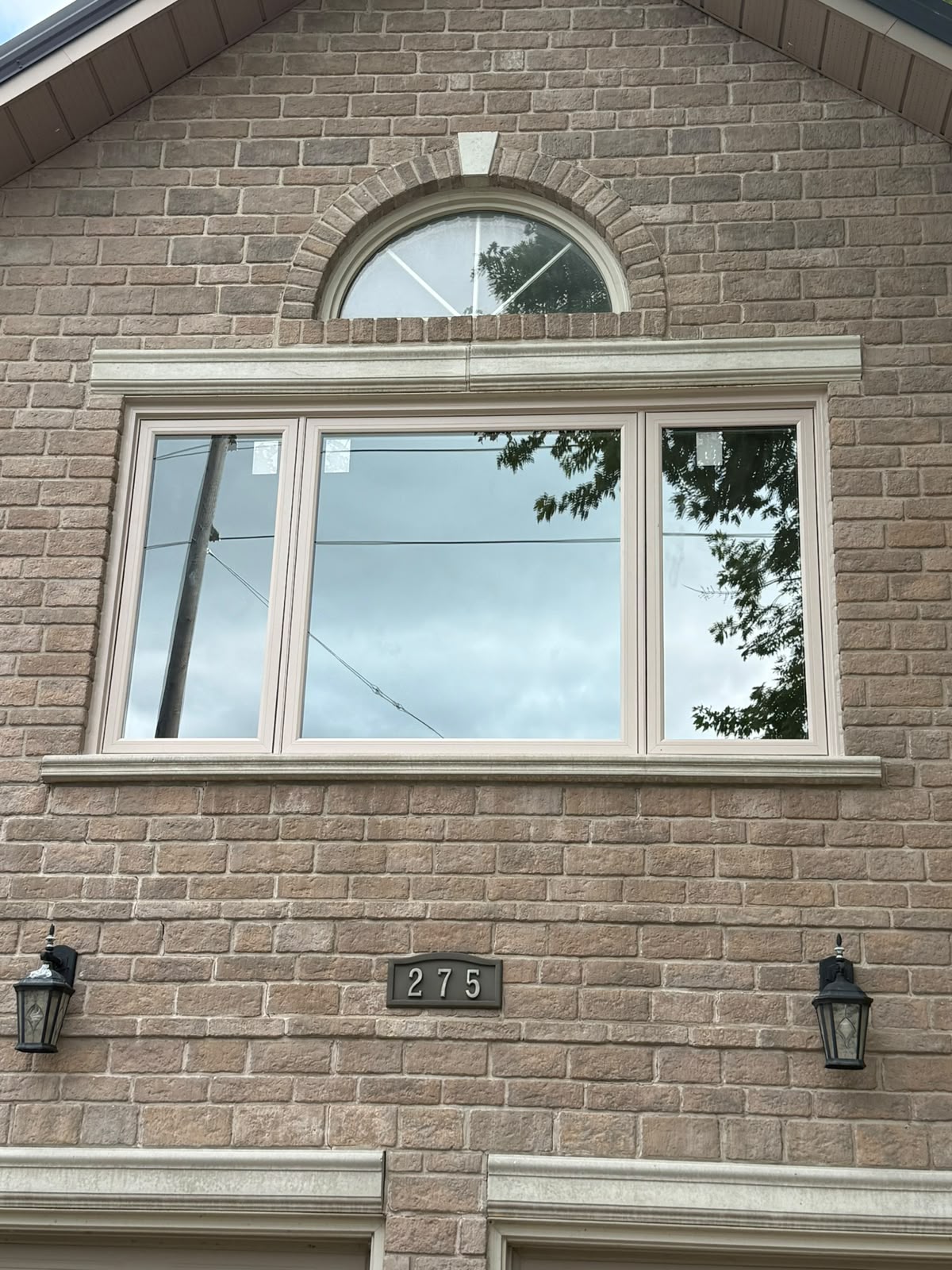
Modern window glass is often part of an insulated glass unit, commonly shortened to IGU. Rather than treating each visible pane as an independent piece installed directly into the frame, an IGU combines panes into a sealed glazing assembly. The sash or frame then supports that assembly according to the window design.
A spacer forms part of the perimeter system between panes and helps maintain their separation within the unit. Sealing materials around the assembly are also important because the space between the panes is intended to remain separated from ordinary indoor and outdoor air.
Several glass-related terms are useful to distinguish:
- Pane: An individual sheet of glass.
- IGU: A sealed assembly containing multiple panes.
- Spacer: A component separating panes around the perimeter of an IGU.
- Glazing: A broader term relating to the glass and how it is incorporated into the window.
- Grille: A design element that creates visual divisions across the glass.
This is another reason older terminology can create confusion. A window may visually resemble one containing numerous traditional panes even though the visible pattern is created over or within a much larger insulated glass assembly.
How Window Anatomy Changes With Different Window Styles
Casement and Awning Windows Use Hinged Sashes
Casement windows typically have a sash that opens outward from the side, while awning windows have a sash that opens outward in a different direction. Their anatomy therefore includes hinges, operating hardware, locks, and weatherstripping positioned around a moving sash.
Knowing those component names becomes useful when describing an operation problem. A difficult operator, a damaged hinge, and worn weatherstripping are separate issues, even though all can affect how the same window feels to use.
Hung and Slider Windows Move Within the Frame
Hung windows use vertically moving sash configurations, while slider windows move horizontally. Because their sashes travel rather than swing outward, the relationship between tracks, sash components, locks, and weatherstripping differs from that of hinged windows.
This also changes how you describe where two movable sections meet. Understanding the underlying window anatomy makes comparisons between window types much clearer than relying on appearance alone.
Bay and Bow Windows Combine Multiple Units
Bay and bow windows illustrate why the muntin vs mullion distinction is particularly useful. These projecting configurations can combine multiple window units while also incorporating decorative grille patterns within the individual sections.
The larger divisions between units should not automatically be described as muntins simply because they visually divide the overall window. Identifying the construction rather than judging only by appearance keeps the terminology clearer.
Tilt-and-Turn and Geometric Windows Add Different Features
Tilt-and-turn windows use hardware that allows a sash to operate in more than one way, so their hardware terminology becomes particularly relevant. Geometric windows, meanwhile, are often selected for shape and architectural effect and may be fixed rather than operable.
Basement windows in Toronto can also use different operating configurations depending on the opening and intended purpose. The basic frame, glazing, sash, and hardware vocabulary gives you a foundation for understanding these differences without learning an entirely new language for every style.
Why Window Terminology Matters When Comparing Options
You do not need to memorize every technical term before shopping for windows. However, understanding the major components makes it easier to explain what you like about an existing window and what you want to change. It also reduces confusion when two visually similar features serve different purposes.
Terminology becomes especially helpful when discussing:
- Whether a divided glass appearance is decorative or part of the construction
- Which portion of an operable window actually moves
- Where a particular hardware component is located
- Which parts belong to the sash versus the surrounding frame
- How several window units are combined in a larger opening
- What grille pattern or architectural appearance you prefer
The goal is not to turn every customer into a window technician. It is to give you enough vocabulary to ask clearer questions and understand the answers you receive.
Put Your Window Vocabulary to Work
Understanding window terminology can make product comparisons much less confusing. Once you can distinguish a sash from a frame, a grille from a muntin, and a muntin from a mullion, you can focus on how different configurations actually look and operate instead of trying to decode unfamiliar terminology.
Delco Windows and Doors can help you compare window styles, configurations, glass options, and design details for your Toronto area home. If you are researching window installation services and want to understand how different components fit your project, contact us to discuss the available options.
Frequently Asked Questions
What is window trim, and is it part of the window frame?
Window trim is the finishing material installed around a window, not another name for the structural frame itself. Interior and exterior trim can help create a finished transition between the window and surrounding wall materials. Its exact design and installation depend on the window and building construction.
What is a window screen considered in window anatomy?
A screen is an accessory that covers an opening, allows ventilation, and helps keep insects out. It is separate from the glazing and usually fits into a designated part of the window assembly. Screen placement and removal methods vary by window style and manufacturer.
Are window grilles removable?
Some grille configurations are removable, while others are incorporated into the glazing assembly and aren't intended for routine removal. If changing the appearance later matters to you, ask how the selected grille system is constructed before choosing a pattern.
Use Window Anatomy as Your Guide to Other Window Styles
Use the Delco Windows and Doors blog to continue exploring individual window types, replacement considerations, maintenance questions, and other window topics. With the basic terminology in place, those more detailed guides become much easier to compare and apply to your own project.