How to Know When It's Time for New Window Installation in Toronto
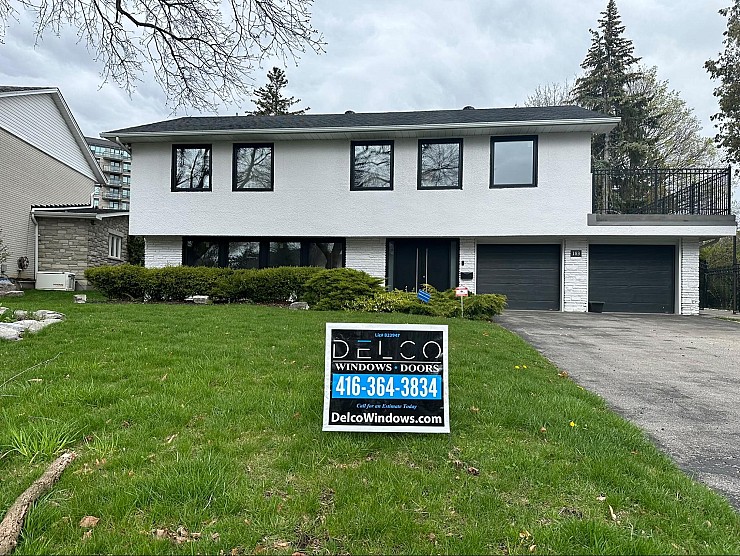
Deciding when to invest in new window installation in Toronto isn't always as straightforward as waiting for a window to break. Many windows continue to function even after they've lost much of their ability to keep your home comfortable, energy efficient, and protected from the weather. By recognizing the early warning signs, you can replace aging windows before they lead to higher utility bills, water damage, or costly repairs.
At Delco Windows and Doors, we often meet homeowners who assumed their windows were still in good condition simply because they could still open and close them. In reality, windows wear out gradually, making it easy to overlook the changes until comfort and performance noticeably decline. Understanding what to watch for can help you decide whether replacing your windows now is a better long-term investment than continuing to repair or live with outdated ones.
Your Energy Bills Keep Climbing Without a Clear Reason
If you've noticed your heating or cooling bills increasing even though your HVAC system is working properly, your windows could be part of the problem. Older windows often lose their insulating ability over time, allowing conditioned air to escape while outdoor temperatures work their way inside. Even small air leaks around the frame can force your furnace and air conditioner to run longer than necessary.
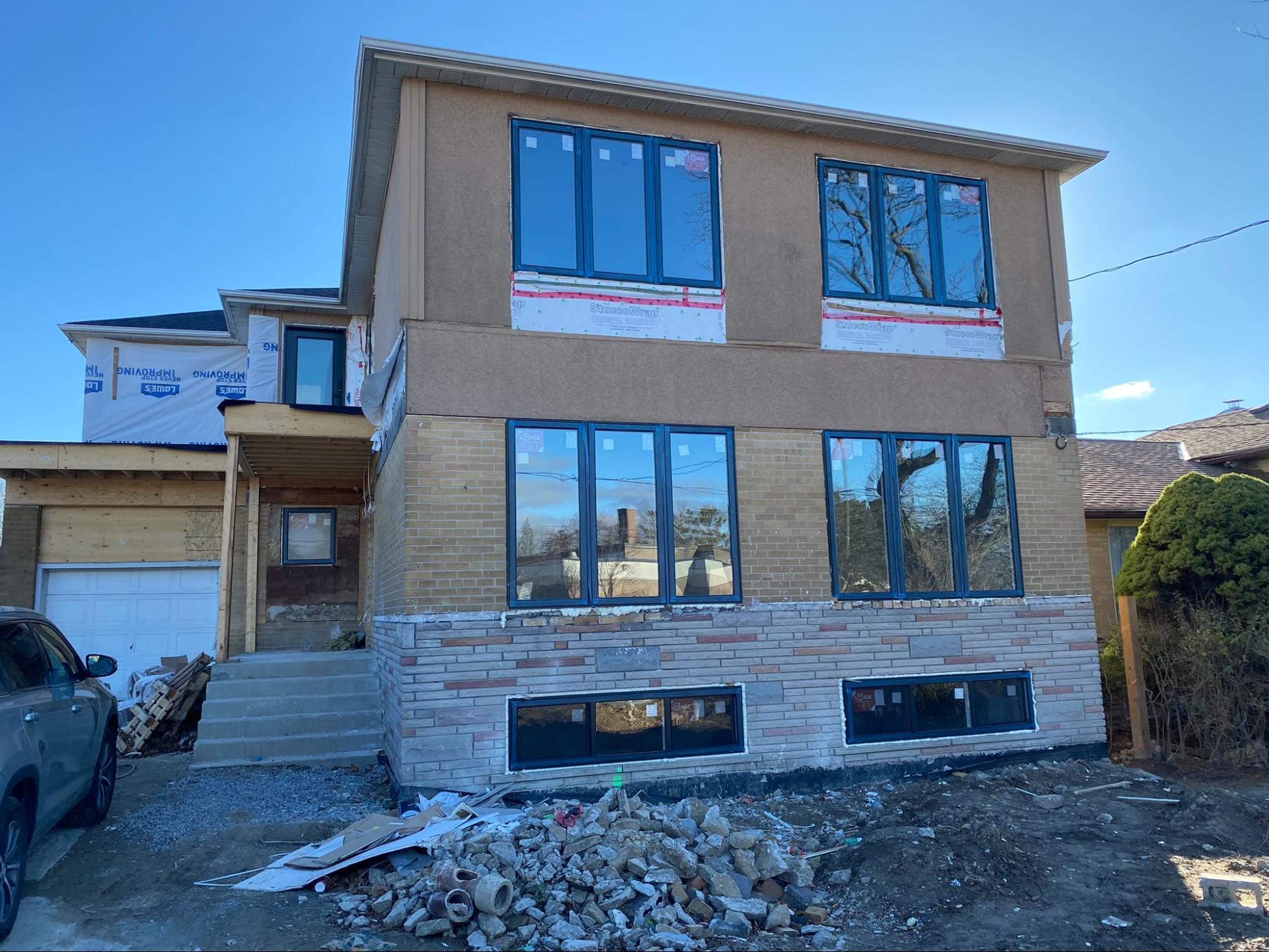
A professional inspection can determine whether your windows are contributing to energy loss or if another issue is affecting your home's efficiency. If your windows are decades old, replacing them with modern energy-efficient models often provides a noticeable improvement in year-round comfort. Since Toronto experiences cold winters and warm summers, improving insulation around your windows can reduce unnecessary strain on your heating and cooling systems.
Drafts Are Becoming More Noticeable Throughout Your Home
A slight draft near a window may seem like a minor inconvenience, but it usually points to a larger issue. Weatherstripping can wear out, seals can deteriorate, and frames may shift slightly over time as your home naturally settles. Once these gaps develop, outside air can move freely through areas that were once properly sealed.
If you constantly adjust your thermostat because certain rooms never seem comfortable, your windows deserve a closer look. Drafts don't simply make a room colder during the winter; they also allow warm, humid air inside during the summer, making your HVAC system work harder. Replacing outdated windows often eliminates these uncomfortable temperature differences and creates a more consistent indoor environment.
Condensation Is Forming Between the Glass Panes
Moisture on the inside of a window during humid weather isn't always a sign that the window has failed. However, condensation trapped between two panes of insulated glass usually indicates that the window's seal has broken. Once the seal fails, the insulating gas escapes, reducing the window's ability to regulate indoor temperatures.
Broken seals typically cannot be repaired in a way that restores the window's original energy performance. In many cases, new window installation becomes the more practical solution because the entire insulated glass unit has permanently lost much of its insulating value. Ignoring the problem means continuing to live with reduced efficiency while the window's condition gradually worsens.
Your Windows Have Become Difficult to Open or Close
Windows should operate smoothly without excessive force. If you struggle to raise, slide, or crank them open, something has changed. Warped frames, worn hardware, moisture damage, or years of expansion and contraction can all affect how a window functions.
Beyond convenience, this issue also affects safety. Windows often serve as emergency exits, and one that won't open properly may prevent a quick escape during a fire or another emergency. Replacing windows that no longer operate correctly improves both everyday usability and household safety.
Visible Damage Is Starting to Spread
Small cosmetic imperfections don't always require immediate replacement, but larger signs of deterioration deserve attention. Cracked frames, soft wood, peeling finishes, and water stains around the window opening often suggest that moisture has been entering the structure for some time. Waiting too long can allow damage to spread beyond the window itself.
Watch for signs such as:
- Cracked or warped frames
- Rotting wood
- Rusted hardware
- Broken or cracked glass
- Water stains on surrounding walls
- Mold near the window opening
If several of these issues are present, replacing the window may prevent more extensive repairs to the surrounding wall and framing.
Outside Noise Seems Louder Than It Used to Be
One benefit of modern windows that many homeowners don't think about is noise reduction. Older windows often have thinner glass, outdated seals, and less effective insulation, allowing more traffic, construction, and neighborhood noise to enter your home. As those components age, the problem can become even more noticeable.
If your home feels louder than it did years ago, your windows may no longer be providing the sound insulation they once did. Modern replacement windows use improved glazing systems and tighter seals to help create a quieter indoor environment. This improvement is especially valuable if you live near busy streets or densely populated areas of Toronto.
You Feel Cold Sitting Near the Windows
Have you ever noticed that certain chairs or rooms feel colder simply because they're close to a window? That's often a sign that the glass and frame are allowing too much heat to escape. Even if you don't feel an obvious draft, the inside surface of an inefficient window can become much colder than the surrounding walls.
Replacing older windows improves the interior glass temperature, making rooms feel more comfortable during the winter months. Instead of avoiding certain parts of your home because they're chilly, you can enjoy more consistent comfort throughout each room. This change often makes your living spaces feel noticeably more inviting without constantly adjusting the thermostat.
Your Home Is More Than 20 Years Old
Not every window reaches the end of its lifespan at the same time, but age remains one of the strongest indicators that replacement may be approaching. Many windows installed decades ago simply weren't designed to meet today's expectations for energy efficiency, weather resistance, or long-term durability. Even if they still appear functional, their performance may have declined considerably.
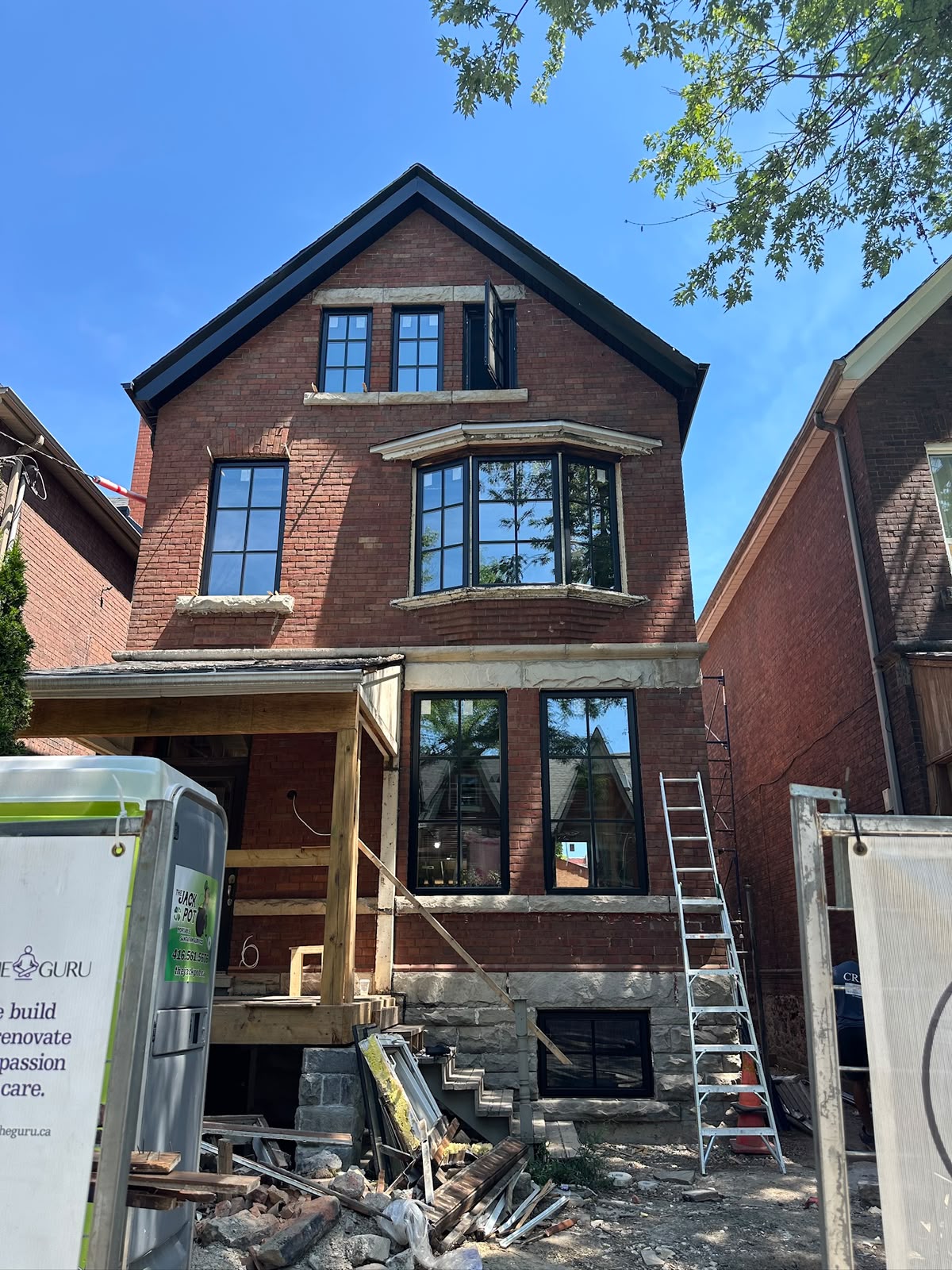
If your home still has its original windows after twenty years or more, scheduling an inspection is a smart way to understand their current condition. An experienced professional can evaluate the frames, seals, hardware, and glass to determine whether replacement will provide meaningful benefits. You don't have to wait for complete failure before planning an upgrade.
Frequent Repairs Are Becoming the New Normal
Occasional maintenance is part of owning any home, but repeated window repairs often indicate that the underlying problems are becoming more serious. Replacing weatherstripping one year, repairing hardware the next, and addressing leaks shortly afterward can eventually cost more than installing new windows. Continuing to repair aging windows also doesn't restore the efficiency they originally provided.
When repairs become increasingly common, it's worth comparing the ongoing costs with the long-term value of replacement. New windows reduce the need for frequent maintenance while offering better insulation, smoother operation, and improved reliability. Instead of constantly fixing old components, you can invest in a solution designed to perform for many years.
Curb Appeal and Home Value Matter to You
Windows play a larger role in your home's appearance than many people realize. Faded frames, outdated designs, and damaged finishes can make an otherwise well-maintained house look older than it actually is. Installing modern windows refreshes your home's exterior while complementing architectural features and improving overall curb appeal.
If you're planning to sell your home in the future, updated windows may also increase buyer confidence. Prospective buyers often appreciate improvements that reduce future maintenance and improve energy efficiency. While every renovation should fit your budget and goals, replacing aging windows can make your property more attractive in a competitive housing market.
Don't Wait Until Small Problems Become Expensive Repairs
Some homeowners postpone replacement because their windows haven't completely failed. Unfortunately, waiting until water damage, structural deterioration, or significant air leakage develops can make the project more complicated and expensive. Addressing problems early gives you more flexibility when choosing products, scheduling installation, and planning your investment.
By paying attention to changes in comfort, energy use, and window performance, you can replace aging windows before they begin affecting other parts of your home. A proactive approach often saves money over time while improving comfort and reducing unexpected repair costs.
Schedule a Professional Window Evaluation
If you've noticed several of these warning signs, it may be time to consider new window installation in Toronto before the problems continue to grow. Delco Windows and Doors can evaluate your existing windows, explain your options, and help you choose replacement windows that improve comfort, efficiency, and long-term value.
Schedule your consultation today and take the next step toward a more comfortable and energy-efficient home.
Frequently Asked Questions
How long do residential windows usually last?
Most residential windows last between 20 and 30 years, although their lifespan depends on the material, installation quality, maintenance, and exposure to the weather. Even if older windows still function, they may no longer provide the energy efficiency or comfort that modern replacement windows can deliver.
Can I replace only a few windows instead of my entire home?
Yes. Many homeowners replace windows in phases based on their budget or the condition of individual rooms. Prioritizing the windows with the most significant drafts, damage, or operating problems allows you to improve comfort while planning future upgrades over time.
Should I replace my windows even if they aren't broken?
Broken glass isn't the only reason to replace a window. Rising energy bills, failed seals, drafts, operating difficulties, and visible deterioration all indicate that your current windows may no longer be performing effectively. Replacing them before complete failure often prevents additional problems and improves your home's overall efficiency.
Keep Learning Before You Choose
Now that you know when replacement makes sense, take the next step by reading "How Toronto's Climate Affects Window Installation Decisions." You'll learn how the city's changing weather influences window performance, material selection, and installation practices so you can make a more informed decision for your home.